Southern desserts carry a specific and layered history. African American cooks and enslaved women in particular were the primary architects of Southern baking as it is known today — the techniques, the flavor combinations, the institutional knowledge of how to make something extraordinary from limited ingredients. Pecan pie, caramel cake, sweet potato pie, and banana pudding exist in their current form because of that knowledge, passed down through generations of Black Southern women in home kitchens and community gatherings long before these desserts appeared in cookbooks or restaurants.
Indigenous foodways shaped the pantry — corn, pecans, blackberries, and muscadines used in ways that predate European settlement. European immigrant communities added their own pastry traditions to the mix. The result is a dessert culture that is genuinely complex, historically specific, and often misattributed.
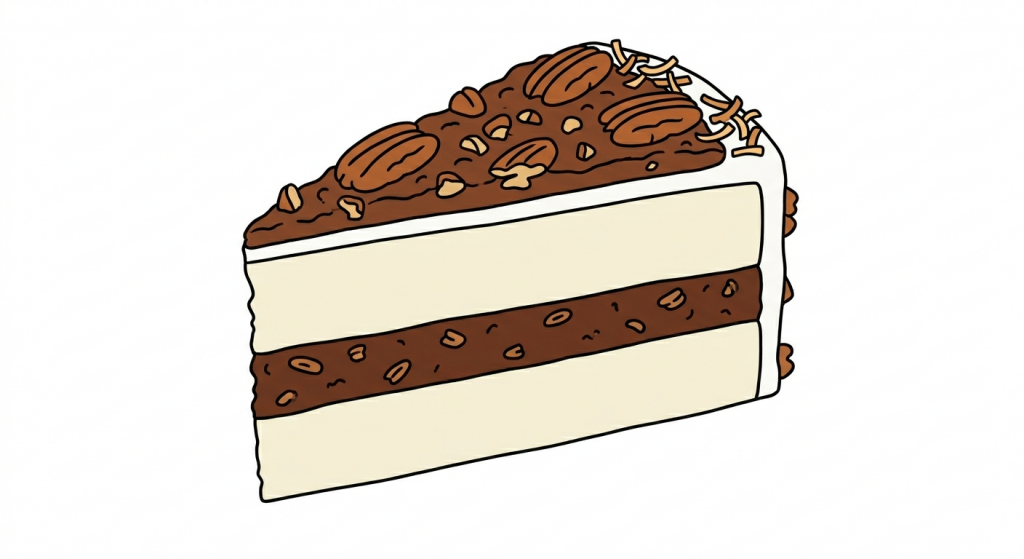
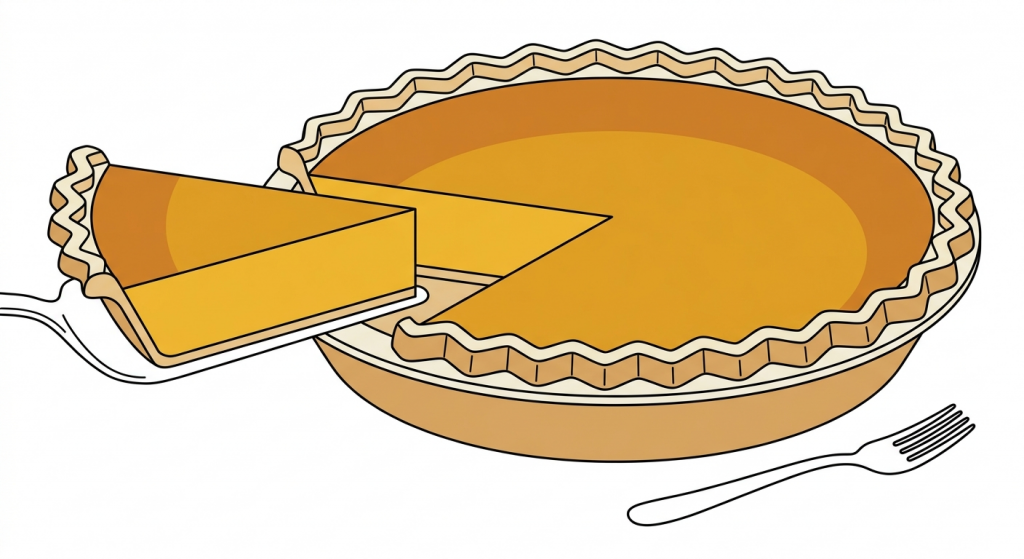
The sweets themselves are rich and unapologetic — chess pie with its simple custard filling, cobbler made with whatever stone fruit is in season, hummingbird cake layered with banana and pineapple, and tea cakes made from a soft spiced dough that has been in Southern kitchens for over two centuries. These are not casual recipes. They are documents of a food culture that deserves more careful credit than it typically receives.
This content was created with the assistance of AI. Sources are currently being reviewed.