The Gullah Geechee corridor stretches along the coastal South from North Carolina through Florida, home to one of the most intact African diasporic food traditions in the United States. The community descends from enslaved West and Central Africans who maintained distinct language, foodways, and cultural practices on the Sea Islands — geographic isolation that worked, in part, to preserve them.
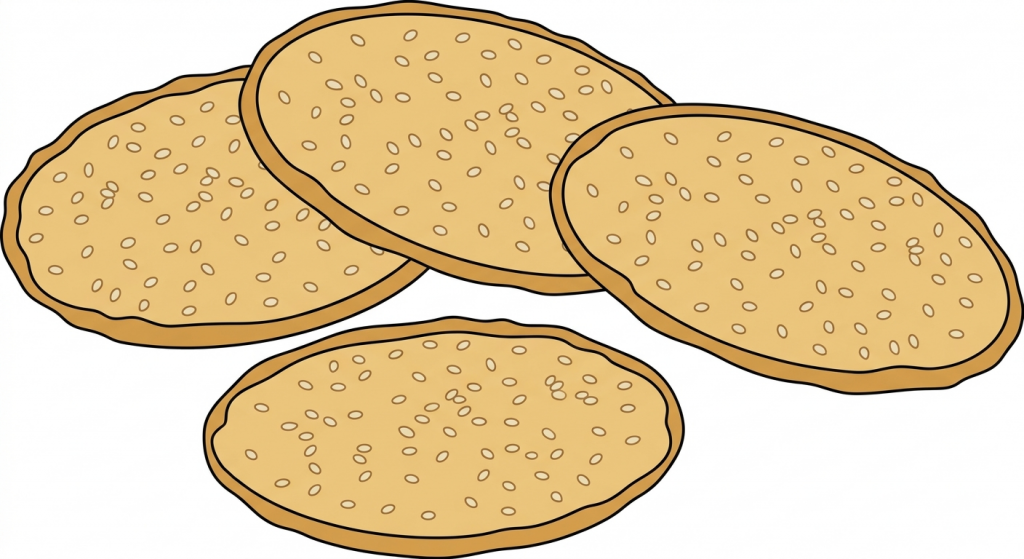
Gullah Geechee baking draws on ingredients with direct West African lineage: benne seeds brought across the Atlantic and baked into brittle and wafers, rice folded into puddings, sweet potatoes roasted or mashed into pone. Sorghum, molasses, cane syrup, nutmeg, and vanilla appear in cakes, pies, and custards with roots in both African and low-country Southern cooking.
Sweet potato pone, benne cakes, peach cobblers, hand pies, and fruit-enriched breads are central to the tradition. Recipes have been passed through families orally, with elders teaching younger generations at community gatherings where food and cultural continuity are directly connected.
Gullah Geechee dessert traditions trace a direct line from West Africa to the Sea Islands. The community maintained its language, Gullah Creole, alongside its foodways — both under sustained pressure to assimilate. These recipes are part of that record.
This content was created with the assistance of AI. Sources are currently being reviewed.