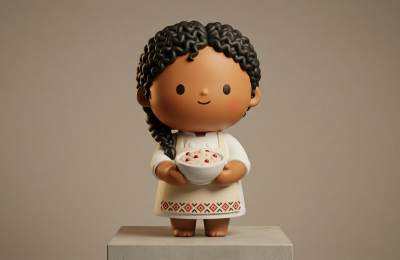
Alaska’s baking tradition is shaped by geography, climate, and the foodways of the many Native Nations whose culinary practices predate outside settlement by thousands of years. The state is home to Yup’ik, Inupiaq, Athabascan, Tlingit, Haida, Tsimshian, and Aleut/Unangan peoples, among others, each with distinct food traditions tied to their specific region and environment.
Wild berries are central to Alaskan sweets across both Indigenous and settler traditions. Blueberries, salmonberries, cloudberries, lingonberries, and crowberries appear in pies, jams, crisps, and puddings. Summer harvesting is a widespread practice, with berries preserved for use through winter. Akutaq — sometimes called Alaskan ice cream — is a traditional dish made by whipping animal fat such as caribou, moose, or seal with berries and sometimes dried fish. Recipes vary significantly by region and Nation and should not be treated as a single uniform preparation.
Russian settlement beginning in the 18th century introduced yeasted pastries, cardamom breads, and piroshki-style baked goods to coastal and interior communities. Scandinavian and American settlers later added cinnamon rolls, sourdough breads, and spiced cookies. Sourdough became particularly associated with the Gold Rush era and remains common in Alaskan home baking, appearing in cakes, pancakes, and breads.
Rhubarb, which grows readily in Alaska’s summer climate, is one of the most common baking ingredients in the state. Birch syrup, fireweed honey, and spruce tip syrup are regionally produced sweeteners that appear in contemporary Alaskan baking and reflect the state’s foraging culture.
This content was created with the assistance of AI. Sources are currently being reviewed.