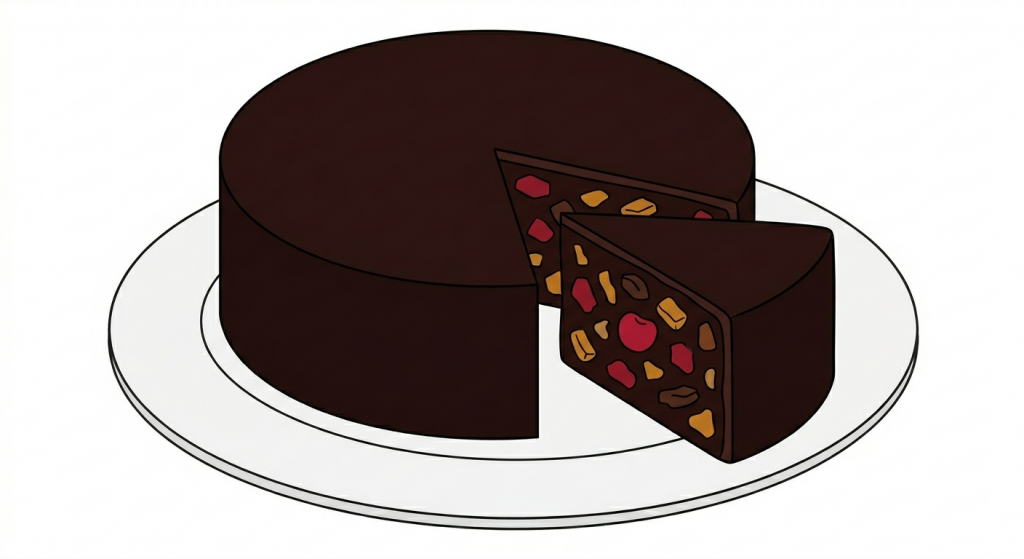
Barbadian desserts reflect the island’s history as one of Britain’s most significant Caribbean colonies, where sugar production using enslaved African labor shaped the economy and food culture for over two centuries. Molasses, rum, and refined sugar — all byproducts of the plantation system — became foundational ingredients in Bajan baking, and that legacy runs directly through the island’s traditional sweets.
Bajan sweet bread is a dense, coconut and fruit-studded loaf common at family gatherings and bakeries across the island. Conkies are a steamed preparation of cornmeal, pumpkin, coconut, sweet potato, and spices wrapped in banana leaves — made specifically for Independence Day on November 30th and closely associated with Barbadian national identity. Tamarind balls, made from tamarind pulp rolled in sugar, are a common street sweet with equivalents across the Caribbean. Coconut bakes are a standard bakery item, eaten at any time of day.
Crop Over, Barbados’s main summer festival marking the end of the sugarcane harvest, is one of the primary contexts for street food and sweet vendors. The festival has roots in the plantation era, when the end of harvest was marked by a brief period of celebration for enslaved workers.
Mount Gay Rum, produced in Barbados since at least 1703, is one of the oldest documented rum brands in the world. Rum appears in Barbadian cakes, puddings, and fruit preparations and is treated as a standard baking ingredient rather than a specialty addition.
This content was created with the assistance of AI. Sources are currently being reviewed.