Guyana is the only English-speaking country in South America and sits culturally at the intersection of the Caribbean and the South American mainland. Its dessert culture reflects three primary influences: West and Central African foodways brought through the transatlantic slave trade, South Asian culinary traditions introduced through the British indenture system, and British colonial baking.
After emancipation in 1838, British plantation owners recruited indentured laborers from India to replace the formerly enslaved workforce. Between 1838 and 1917, over 230,000 Indians were brought to Guyana under indenture contracts, primarily from Uttar Pradesh and Bihar. Their culinary traditions — including mithai, spiced milk sweets, and fried dough confections — became permanently embedded in Guyanese food culture and are now considered part of the national dessert tradition alongside Afro-Guyanese preparations.
Salara is a rolled coconut and red food coloring sweet bread common at bakeries and family gatherings. Pine tarts are shortcrust pastry shells filled with spiced pineapple jam. Cassava pone is a dense baked pudding made from grated cassava, coconut, and spices with roots in Indigenous and Afro-Caribbean cooking. Mithai — fried dough balls soaked in sugar syrup — reflects the Indo-Guyanese tradition directly.
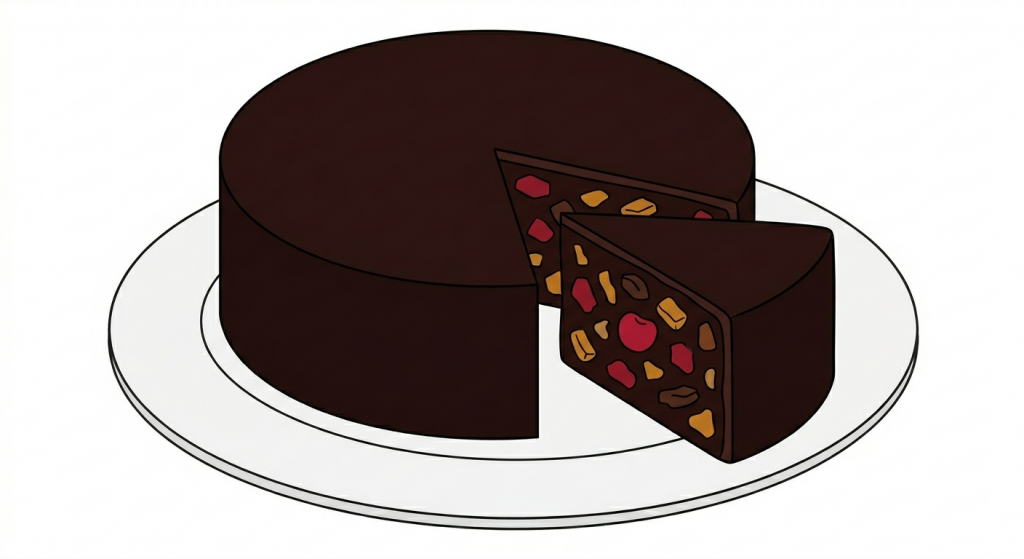
Black cake, common across the English-speaking Caribbean, is also central to Guyanese Christmas and wedding traditions, made with rum-soaked dried fruit and dark sugar.
This content was created with the assistance of AI. Sources are currently being reviewed.