Jamaican desserts reflect the island’s history as a major British sugar colony, where enslaved Africans and their descendants developed a food culture that drew on West and Central African techniques and adapted them to available plantation-era ingredients. Allspice — grown exclusively in Jamaica and the wider Caribbean — nutmeg, ginger, cinnamon, coconut, and rum are the defining flavors of the Jamaican dessert tradition.
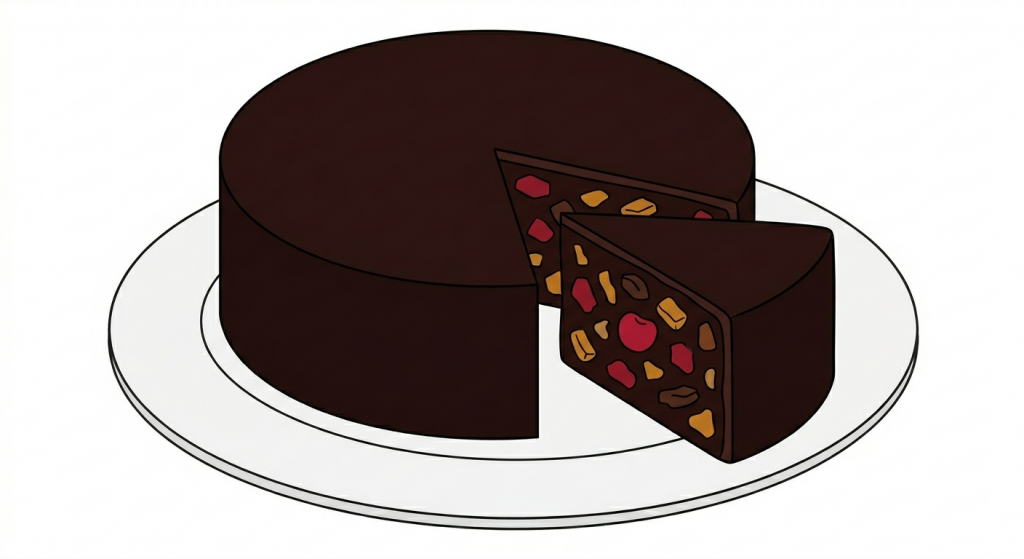
Rum cake is central to Jamaican celebration baking, particularly at Christmas and weddings. Dried fruit is soaked in rum and wine for weeks or months before baking, producing a dense, dark cake with strong alcoholic preservation. The preparation process begins well in advance of the occasion and is a standard home baking practice across the island. Gizzada is a tart with a pinched shortcrust shell filled with spiced, sweetened coconut — one of the most distinctly Jamaican pastries, with possible Portuguese origin through colonial trade routes.
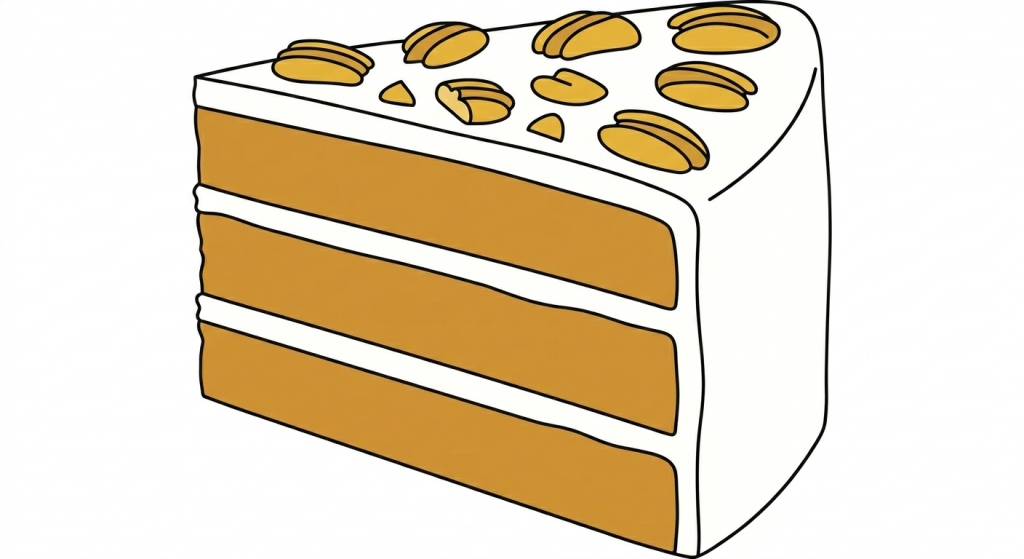
Toto is a dense coconut cake flavored with spices and molasses, sold by street vendors and in bakeries. Sweet potato pudding — also called ‘Hell a Top, Hell a Bottom, Hallelujah in the Middle’ — is a baked pudding with a caramelized top and bottom and a soft center, made with sweet potato, coconut milk, and warm spice. Banana fritters and grater cake, a coconut and sugar confection, are common everyday sweets.
The Maroon communities of Jamaica — descendants of escaped enslaved Africans who established free settlements in the island’s interior — maintained distinct food traditions separate from plantation culture. Maroon cooking emphasizes open-fire preparation and preservation techniques, and some traditional Maroon sweet preparations using local fruits and roots remain distinct from mainstream Jamaican dessert culture.
This content was created with the assistance of AI. Sources are currently being reviewed.