Taiwan’s dessert culture is one of the most layered in East Asia, shaped by Indigenous traditions, fifty years of Japanese colonial rule, the post-1949 influx of mainland Chinese culinary traditions, and a contemporary café and bakery scene that now exports its own trends regionally.
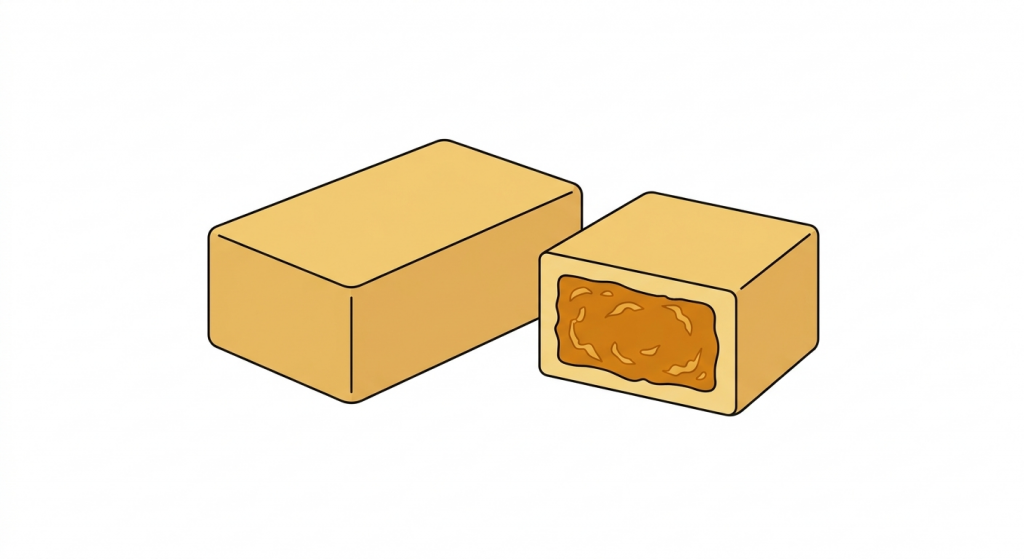
The Japanese colonial period from 1895 to 1945 left a permanent mark on Taiwanese baking. Castella sponge cake, now a Taiwanese street food staple sold in giant jiggly slabs, derives directly from Japanese kasutera, which itself arrived via Portuguese traders. Pineapple cake — Taiwan’s most iconic export pastry — developed during this era, its buttery shortcrust shell and dense pineapple or winter melon filling becoming a standard gift box item that remains one of the most purchased souvenirs in the country. Sun cakes from Taichung, flaky and filled with maltose, are another product of this period’s baking infrastructure.
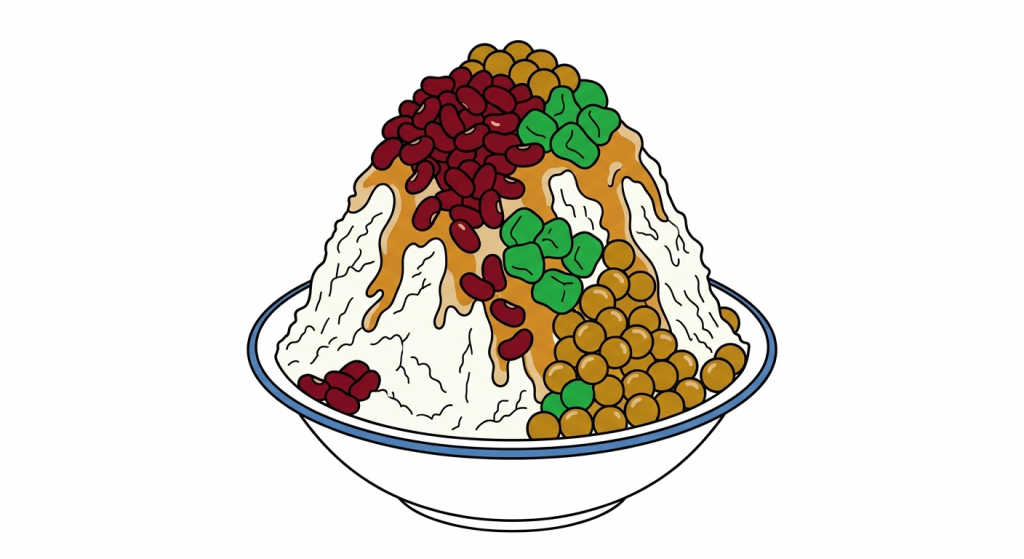
Night market desserts operate on a different register entirely. Mango shaved ice piled with fresh fruit and condensed milk, taro balls in hot or cold sweetened broth, grass jelly, tofu pudding, and aiyu jelly — a Taiwanese-specific ingredient made from a native fig seed — are the everyday dessert vocabulary of most Taiwanese. These are not restaurant foods. They are hawker foods, built for heat, speed, and affordability.
Indigenous Taiwanese communities across the island’s mountainous interior have their own starch and grain-based food traditions predating any colonial period, though this area requires dedicated research beyond the scope of general Taiwanese dessert coverage and should not be collapsed into the broader national narrative.
Sweetness in Taiwan is specific, historically dense, and impossible to reduce to a single influence.
This content was created with the assistance of AI. Sources are currently being reviewed.