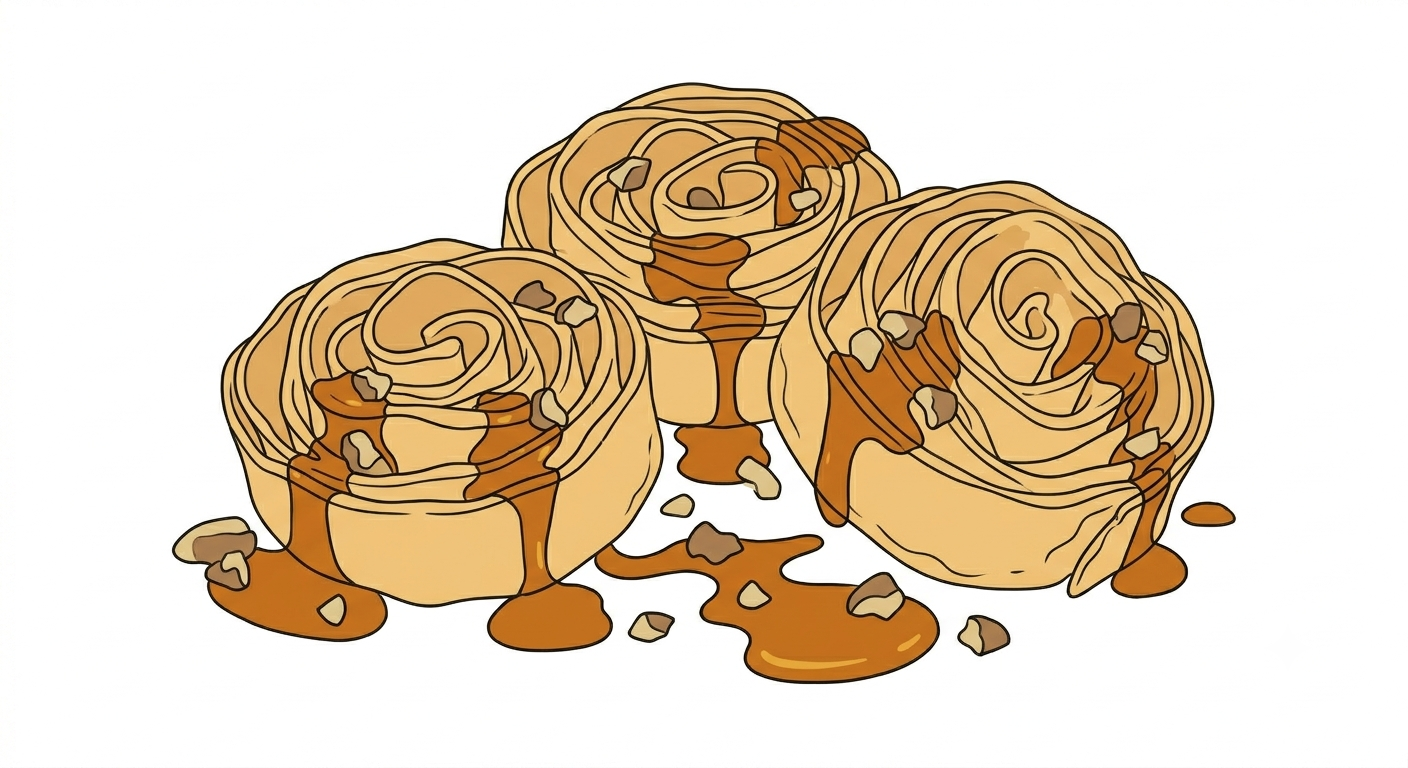
Diples are Greek fried pastries made from a thin egg-based dough, stretched into sheets, cut into strips or rectangles, and rolled or folded into loose ribbons and rosettes as they fry — the shaping done directly in the hot oil with two forks or skewers in a technique that requires speed and practice. They emerge golden and crisp, and are immediately drenched in warm honey and showered with crushed walnuts and a dusting of cinnamon. The honey soaks into the layers as the pastry cools, softening the exterior slightly while the interior stays crisp, and the result is simultaneously rich, fragrant, and sticky in a way that makes them impossible to eat without getting honey on your hands. This is not a design flaw.
Diples are most closely associated with the Peloponnese region of southern Greece, particularly the areas around Patras and the broader rural traditions of the peninsula, though versions of the pastry appear across Greece and among Greek diaspora communities worldwide. They are a celebration food — traditionally made for weddings, baptisms, and major feast days — and the labor involved in making them in large quantities reflects their status as something reserved for occasions that warrant effort. A wedding in a Greek village might require hundreds of diples, made over several days by a group of women working together, which places them in a tradition of communal celebratory cooking that is as much social event as culinary production.
The technique of shaping dough directly in hot oil connects diples to a broader Mediterranean and Middle Eastern tradition of fried pastry that includes similar preparations across Turkey, the Arab world, and the Balkans. The honey and walnut finish is deeply embedded in Greek culinary tradition going back to antiquity — honey was the primary sweetener in ancient Greek cooking, and walnuts and sesame appear in ancient sources as components of sweets offered at religious festivals. Diples sit at the intersection of those ancient habits and the fried pastry techniques that arrived and developed through Byzantine and Ottoman contact over centuries.
The name comes from the Greek word for “fold” or “double,” a reference to the folding and layering that happens as the dough moves through the oil. Getting the fold right — loose enough to allow the oil to circulate through the layers, tight enough to hold its shape — is the skill the recipe requires, and it is the kind of skill that is easier to learn by watching than by reading instructions.
This content was created with the assistance of AI. Sources are currently being reviewed.