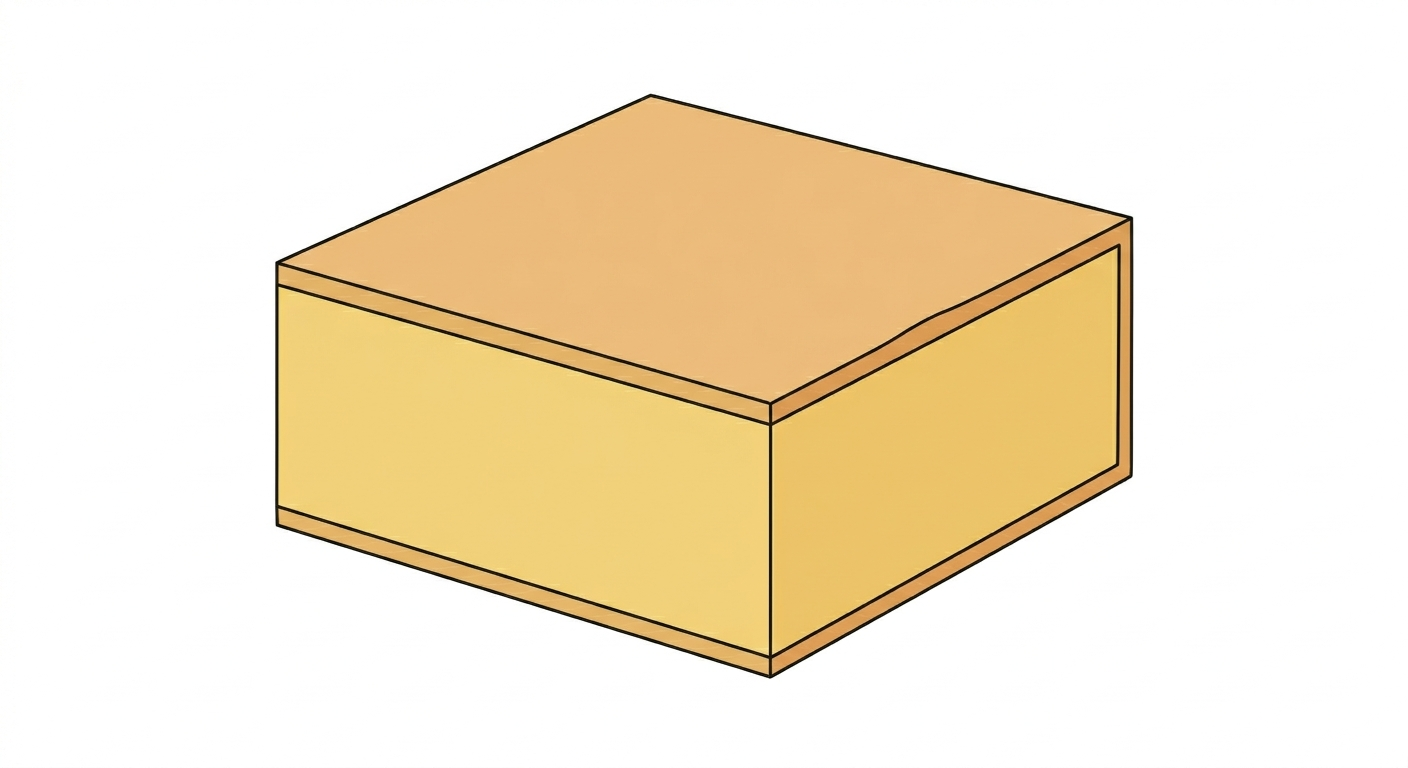
Qumështor is a baked custard — eggs beaten with sugar, melted butter, and flour, milk added gradually and whisked smooth, then poured into a buttered baking dish and cooked in the oven until the top is golden and the interior is set but yielding. It is cut into squares or rectangles when cool and served chilled. The texture is soft and creamy, denser than a French custard because of the flour, lighter than a cheesecake, with a gentle sweetness and a milk flavor that runs clean through the whole thing. Some versions add lemon or orange zest, or a few drops of vanilla. The original is plainer than any of these, and the simplicity is the point.
The name comes directly from the Albanian word for milk — qumësht — which tells you everything about the ingredient hierarchy. This is, at its core, a milk dish. The eggs and flour are supporting structure. The milk is the reason.
Qumështor is made and eaten by the Orthodox population of southeastern Albania in the days before Lent begins — the period of rich eating before the fasting season, when dairy and eggs that would be restricted during Lent are used up in dishes that celebrate them. The practice follows the same logic as every pre-Lenten eating tradition across Orthodox and Catholic communities worldwide: cook the butter and eggs and milk into something worth eating before forty days without them. The Orthodox calendar structures the occasion and the dish serves it.
Southeastern Albania has been home to Orthodox Christian communities for centuries, and the food traditions of those communities reflect both the Albanian culinary baseline and the liturgical calendar that shaped when things were made and eaten. Qumështor sits in that overlap — a dish with no elaborate technique, no imported ingredients, and no story beyond the one it carries as the thing made before the fast. That directness is what makes it specific. A baked custard of milk, eggs, butter, and flour is not a complicated preparation. The occasion it belongs to is what gives it its meaning.
The savory version of qumështor also exists — made without sugar, sometimes with cheese or herbs — which reflects how foundational the milk-and-egg combination is to Albanian cooking. The sweet version is the one associated with the pre-Lenten period. Both versions share the same name, the same method, and the same humility of ingredients that characterizes Albanian home cooking at its most straightforward.
This content was created with the assistance of AI. Sources are currently being reviewed.