Kenyan desserts reflect the country’s geographic and ethnic diversity — over 40 distinct ethnic groups with different food traditions, a Swahili coastal culture shaped by centuries of Indian Ocean trade, and a British colonial history that introduced tea culture and certain baking practices that remain common today.
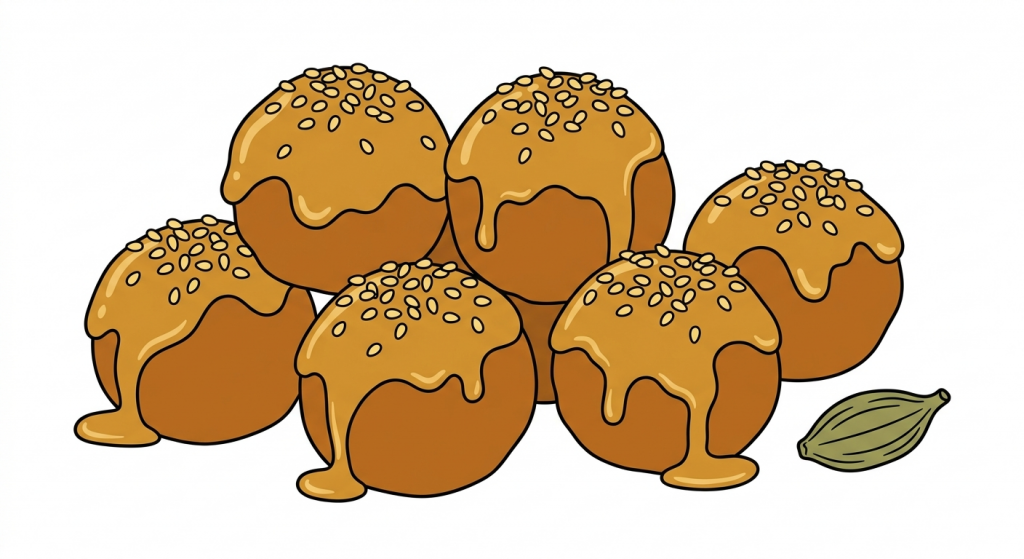
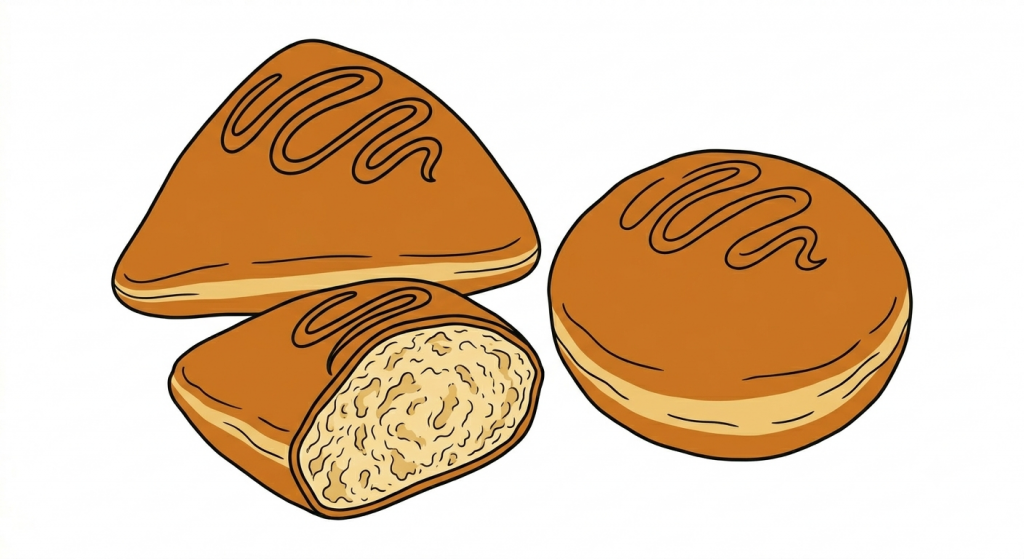
Along the Swahili coast and in Mombasa, desserts reflect centuries of trade with Arabia, India, and the Persian Gulf. Mandazi are fried dough triangles or rounds flavored with cardamom and coconut milk, eaten at breakfast or as a snack throughout the day. Mahamri are a sweeter, softer fried dough made with coconut milk and cardamom, particularly associated with the coastal Swahili community. Vitumbua are rice and coconut milk pancakes cooked in a dimpled pan, similar in technique to West African versions.
Inland Kenyan food traditions center on staple grains — ugali, millet, and sorghum — with sweetness appearing primarily in fermented milk preparations, roasted grains with honey, and fruit. Mukimo, though savory, reflects the central Kenyan Kikuyu agricultural tradition; sweet preparations in the interior are simpler and less coconut-dependent than coastal ones.
British colonial presence introduced tea drinking culture that is now deeply embedded across Kenya — Kenya is one of the world’s largest tea exporters — and mandazi eaten alongside tea is one of the most common daily food pairings in the country. British-style baked goods including scones and simple cakes appear in Kenyan bakeries and are common at gatherings.
This content was created with the assistance of AI. Sources are currently being reviewed.