Japanese dessert culture operates on two parallel tracks that developed separately and remain largely distinct: wagashi, the traditional Japanese sweet tradition with documented history going back over a thousand years, and yoshoku-style baking, which developed after Japan’s Meiji period opening to Western influence in the late 19th century. Both are technically rigorous, and both reflect a broader Japanese approach to craft that values precision, seasonal awareness, and visual presentation.
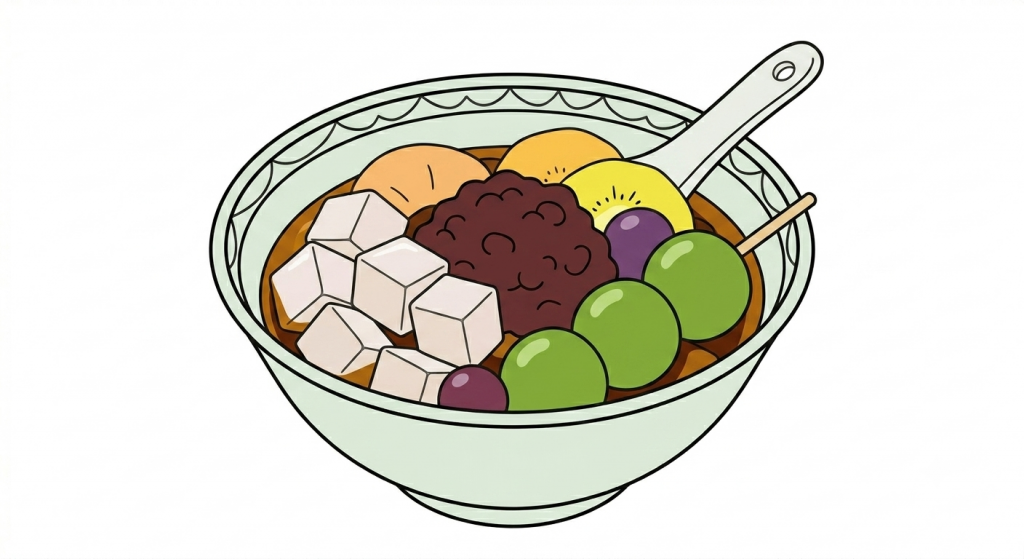
Wagashi are traditional Japanese sweets made primarily from plant-based ingredients — azuki bean paste, rice flour, mochi, agar, and chestnuts. They are categorized by moisture content: namagashi are fresh sweets with high moisture, served at formal tea ceremony; higashi are dry sweets with minimal moisture, also used in tea ceremony; and han-namagashi fall between the two. Yokan is a firm block sweet made from red bean paste and agar, sliced and served in precise portions. Daifuku are soft mochi rice cakes filled with sweet bean paste or fruit. Wagashi preparation is a distinct profession in Japan with its own apprenticeship tradition and regional styles — Kyoto wagashi and Tokyo wagashi differ in sweetness level and aesthetic approach.
The Meiji period introduced Western baking techniques that Japanese bakers adapted with local ingredients and precision. Japanese milk bread — shokupan — is softer and more pillowy than Western bread due to the tangzhong method of cooking a portion of the flour before mixing. Japanese cheesecake uses a soufflé technique producing a lighter, less dense result than New York-style cheesecake. Matcha, yuzu, black sesame, and sakura are incorporated into French-technique preparations — croissants, financiers, entremets — in combinations not found in their countries of origin.
Convenience store — konbini — desserts in Japan are a distinct category taken seriously by major chains. Lawson, 7-Eleven Japan, and FamilyMart compete on dessert quality, producing seasonal limited-edition items including puddings, rolled cakes, and cream-filled pastries that are reviewed seriously in food media. Depachika — department store basement food halls — aggregate the highest-quality wagashi, patisserie, and confectionery producers under one roof and are considered a primary destination for premium sweet purchasing in Japanese cities.
This content was created with the assistance of AI. Sources are currently being reviewed.