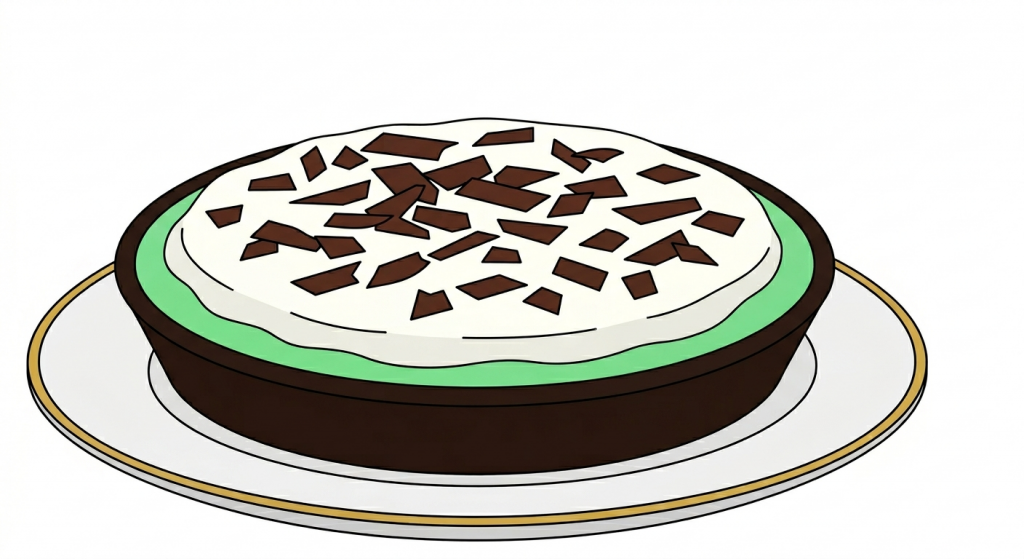
Midwestern desserts are closely tied to community potlucks, church suppers, and farmhouse kitchens. Cream pies topped with meringue, fruit pies made with cherries, rhubarb, or backyard berries, and bar-style desserts like brownies and lemon bars appear at nearly every gathering. The region’s dairy production shows up in custards, ice creams, and creamy fillings that run through the baking tradition.
Immigrant communities shaped Midwestern baking significantly. Scandinavian settlers brought kringle — a flaky, oval pastry filled with nuts or fruit — to Wisconsin, where it became the official state pastry. Czech and Slovak communities established kolache traditions across Nebraska, Iowa, and Kansas. German and Dutch bakers contributed coffee cakes, pfeffernüsse, and spiced cookies that remain common across the region.
Midwestern baking also reflects the agricultural calendar. Corn, wheat, apples, cherries, and dairy are grown regionally and appear in recipes that have changed little over generations. State fairs across the Midwest serve as a yearly measure of baking tradition — competitions for pies, cakes, preserves, and breads drawing entries that represent family recipes passed down intact.
Midwestern baking is shaped by harvest cycles, immigrant foodways, and a strong tradition of communal eating.
This content was created with the assistance of AI. Sources are currently being reviewed.