New Zealand’s dessert culture reflects British colonial settlement beginning in 1840 and the food traditions of Māori, the Indigenous Polynesian people who arrived in New Zealand approximately 700 years ago. These two food cultures developed largely separately — Māori food centered on hāngi earth oven cooking, preserved foods, and indigenous ingredients, while British settler baking became the dominant mainstream food culture. Contemporary New Zealand food reflects increasing recognition of Māori foodways alongside the British-derived tradition.
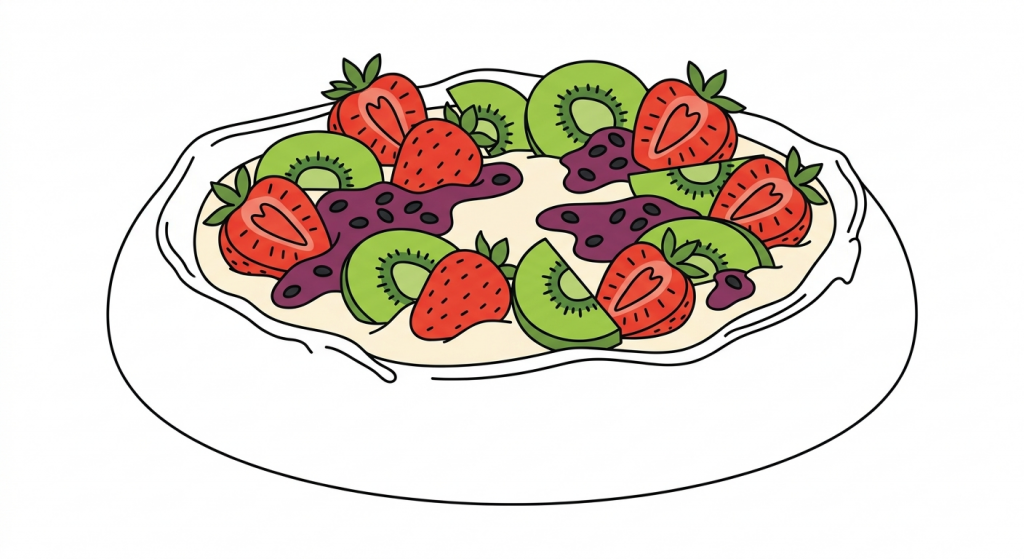
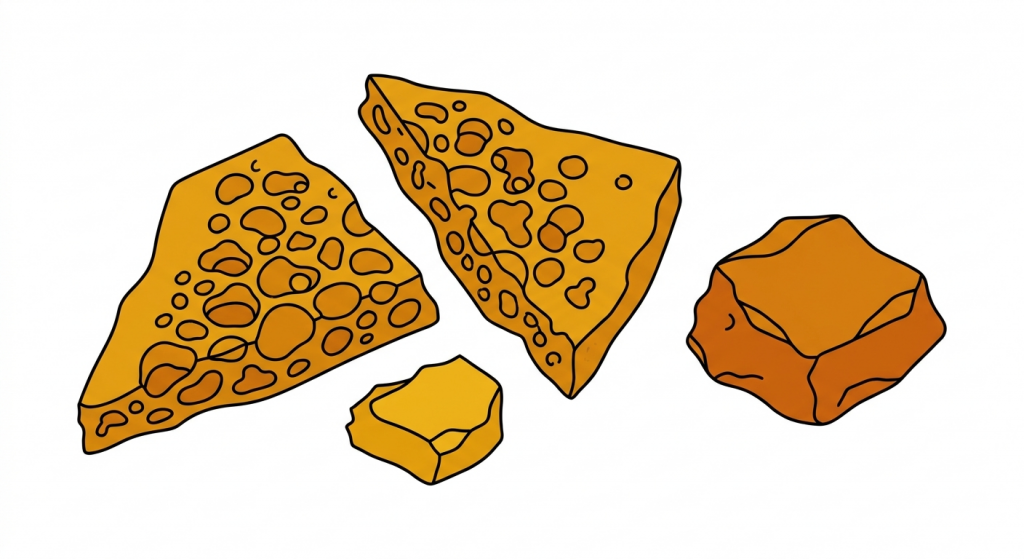
Pavlova is claimed by New Zealand as its national dessert, with food historians citing a 1929 Wellington recipe as the earliest documented version — though Australian food historians dispute this. The New Zealand pavlova is typically topped with kiwifruit and passionfruit alongside cream. Hokey pokey ice cream — vanilla ice cream with small pieces of honeycomb toffee — is the most popular ice cream flavor in New Zealand and considered a national food. Afghan biscuits are chocolate and cornflake cookies topped with chocolate icing and a walnut, specific to New Zealand with no clear origin story. Anzac biscuits, shared with Australia, are oat and golden syrup cookies with World War I historical associations.
Māori food culture is centered on the hāngi — an earth oven in which food is slow-cooked over heated stones — and on preserving and fermenting techniques developed for New Zealand’s specific environment. Rewena bread is a Māori sourdough made from a potato-based starter, one of the few specifically Māori baked goods to have crossed into mainstream New Zealand food culture. Huhu grubs, pikopiko fern fronds, and various native berries are traditional Māori food ingredients that are now being incorporated into contemporary New Zealand cooking.
Manuka honey, produced by bees that pollinate the manuka bush native to New Zealand and southeastern Australia, has antibacterial properties not found in standard honey and commands premium prices internationally. New Zealand manuka honey production is regulated and certified, and it appears in contemporary New Zealand desserts and health food products. The Māori word manuka reflects the plant’s Indigenous naming and the ongoing connection between Māori knowledge and New Zealand’s most recognized food export.
This content was created with the assistance of AI. Sources are currently being reviewed.