Polish baking is closely tied to the Catholic liturgical calendar, with specific preparations associated with particular holidays and seasons throughout the year. The tradition is built on wheat flour, butter, eggs, poppy seeds, dried fruit, honey, and fresh cheese — ingredients shaped by the agricultural conditions of Central Europe and the requirements of fasting and feast days in the Catholic calendar.
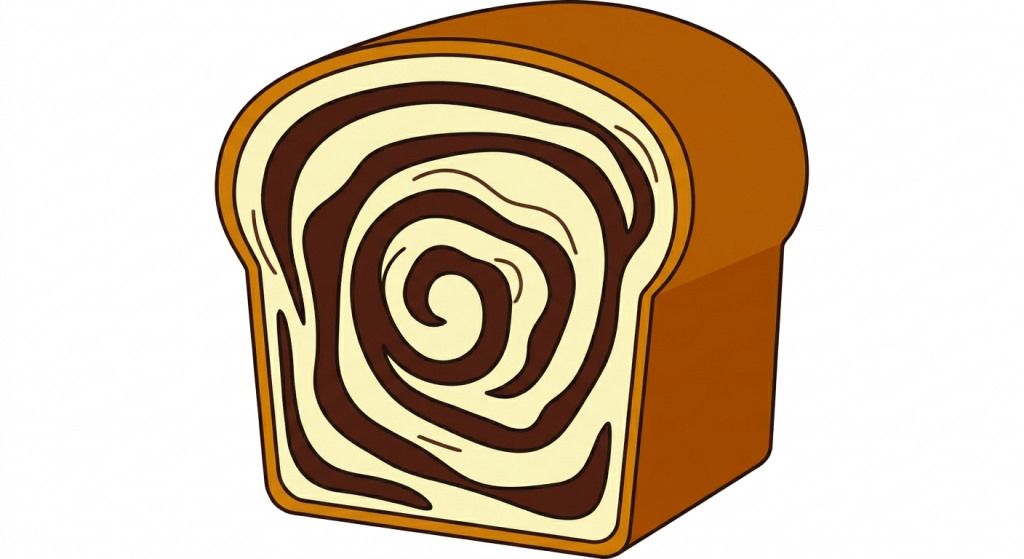
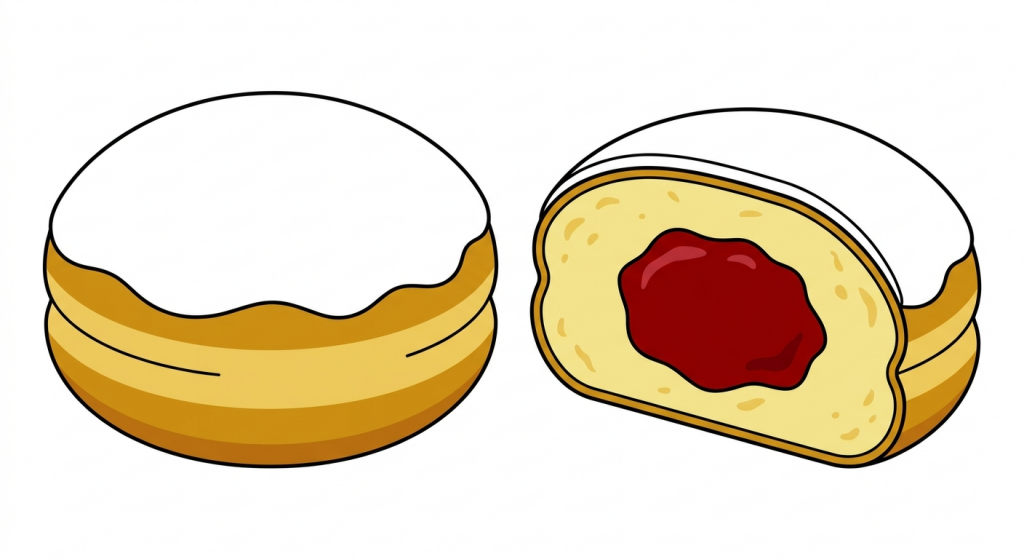
Pączki are deep-fried filled doughnuts — made with a rich dough containing eggs, butter, and alcohol to prevent grease absorption — filled with rose hip jam, prune jam, or custard. They are eaten specifically on Fat Thursday, the last Thursday before Lent, when Poles consume pączki in enormous quantities nationwide. Fat Thursday is one of the most food-specific cultural observances in Poland, with bakeries selling tens of millions of pączki on a single day. Sernik is a Polish cheesecake made with twaróg — a fresh farmer’s cheese — denser and less sweet than American cheesecake and associated with Easter. Makowiec is a poppy seed roll made from yeasted dough filled with a dense poppy seed, honey, and raisin mixture, eaten at Christmas.
Pierogi — filled dumplings — appear in sweet versions filled with fresh cheese and potato, fruit, or sweetened farmer’s cheese, eaten with sour cream or butter. Faworki are thin fried pastry strips dusted with powdered sugar, also eaten on Fat Thursday and during carnival season. Mazurek is a flat shortcrust tart decorated elaborately with icing, dried fruit, and nuts, made specifically for Easter and considered one of the most visually distinctive Polish pastries.
The Polish Jewish community — once the largest Jewish population in the world, centered in Warsaw, Kraków, Łódź, and hundreds of smaller towns — maintained a distinct baking tradition including challah, babka, and various honey and poppy seed preparations that overlapped with Polish Catholic baking while maintaining distinct occasion contexts. The Holocaust killed approximately three million Polish Jews — ninety percent of the pre-war Jewish population — and destroyed this food culture within Poland. Some Polish Jewish recipes have been preserved in diaspora communities and are being documented and revived in contemporary Poland.
This content was created with the assistance of AI. Sources are currently being reviewed.