Madeira is a Portuguese archipelago in the Atlantic Ocean, approximately 1,000 kilometers southwest of Lisbon and 520 kilometers west of the Moroccan coast. Settled by Portuguese colonists beginning in the 1420s, the island became one of the first major European sugar-producing colonies — predating Caribbean sugar production by decades. This early sugarcane history is directly embedded in Madeiran baking, where cane-derived molasses and sugar syrup appear in preparations that have remained largely unchanged for centuries.
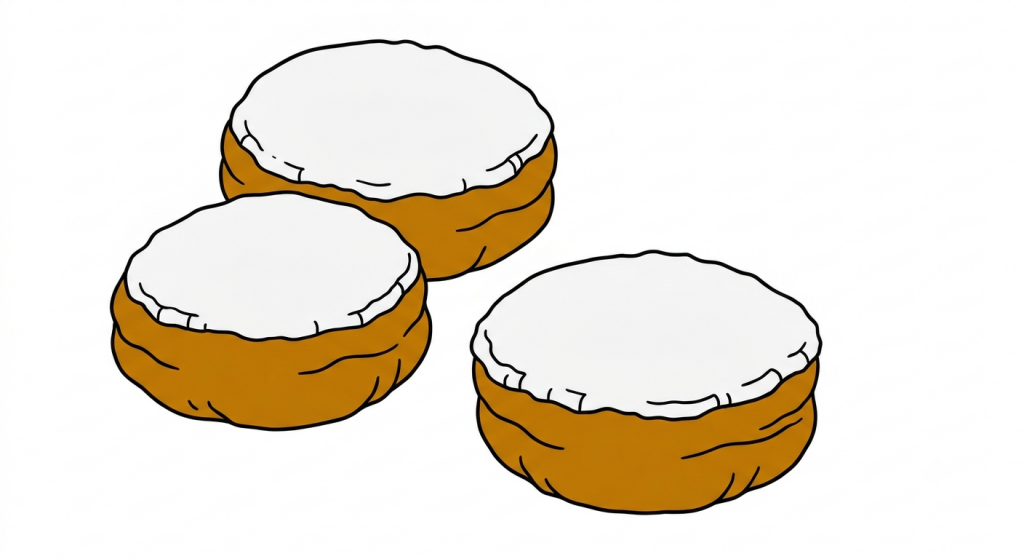
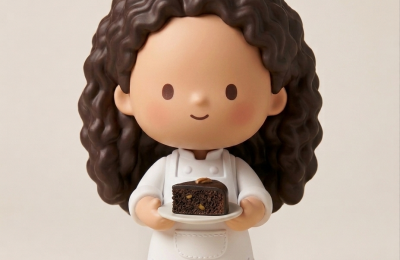
Bolo de mel — literally honey cake, though it contains molasses rather than honey — is the most distinctly Madeiran preparation. Made with sugarcane molasses, spices, nuts, and dried fruit, it is dense, dark, and long-lasting, traditionally made at Christmas and kept for months. Bolo de mel is made in large quantities by families and bakeries in November and December and is considered the defining Madeiran sweet. Queijadas de Madeira are small fresh cheese tarts with a thin pastry shell, similar in concept to queijadas found across Portugal but made with the specific fresh cheese produced on the island.
Sugarcane is still cultivated on Madeira’s steep terraced hillsides and processed into mel de cana — cane molasses — used in bolo de mel and as a table syrup, and into aguardente, the local sugarcane spirit used in poncha. The survival of small-scale sugarcane cultivation on Madeira makes it one of the few places in Europe where the full production chain from cane to molasses to baked good remains intact.
Passionfruit, banana, and citrus grow extensively on Madeira due to its subtropical climate and are used in puddings, cakes, and preserves. The Madeiran banana, smaller and sweeter than imported varieties, is a protected regional product and appears in bolo de banana preparations specific to the island. Madeira wine — a fortified wine produced on the island since the 15th century — is used in some dessert preparations and served alongside sweets in the traditional café culture.
This content was created with the assistance of AI. Sources are currently being reviewed.