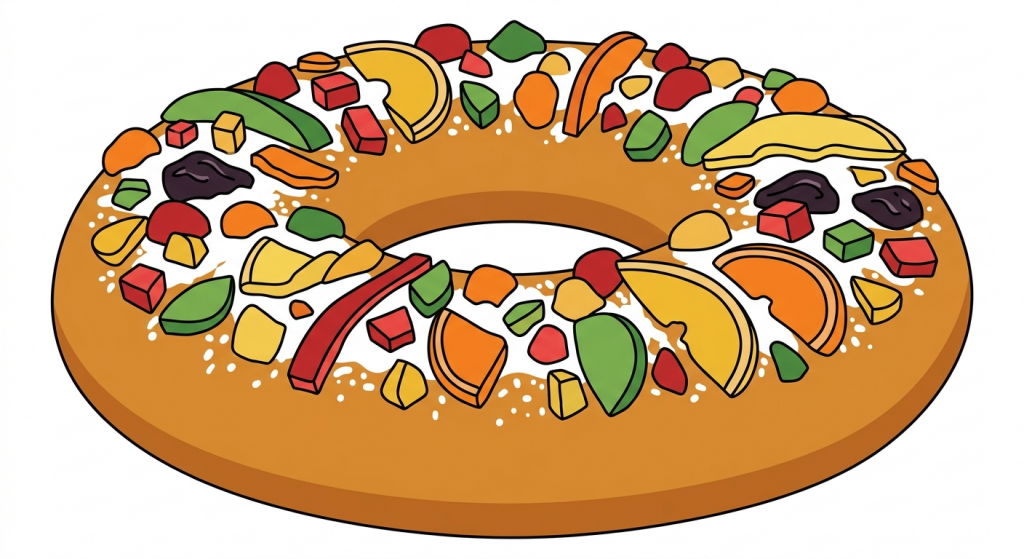
Portuguese desserts are shaped by two intersecting histories — the convent baking tradition that developed in Catholic monasteries and convents from the medieval period onward, and Portugal’s role as the first European maritime empire, which introduced sugar, spices, and baking techniques to Brazil, Goa, Macau, Angola, Mozambique, and beyond. The egg yolk and sugar combination that defines Portuguese sweets is one of the most internationally dispersed culinary traditions in the world, appearing in Brazilian quindim, Goan bebinca, Macanese pastéis, and Japanese castella cake — all traceable to Portuguese colonial contact.
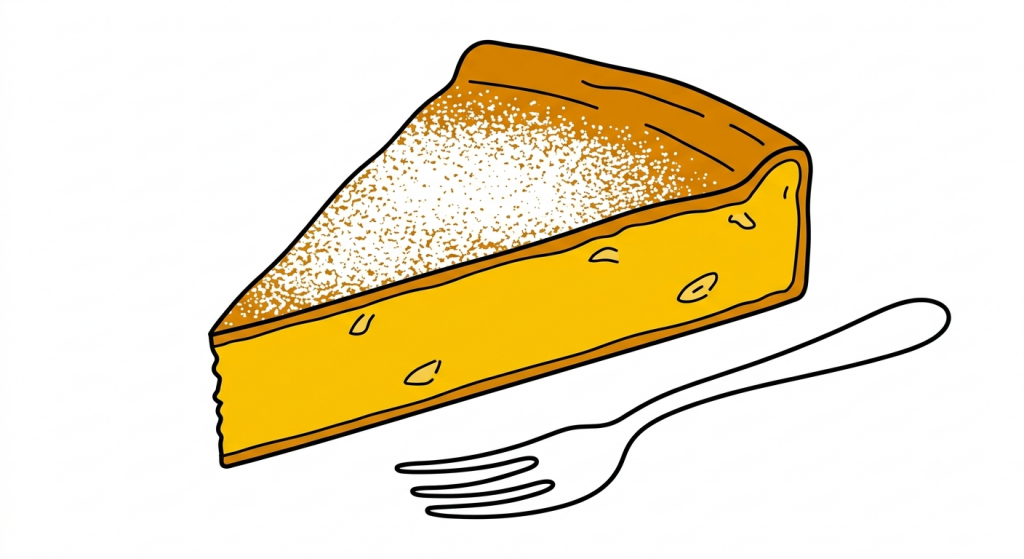
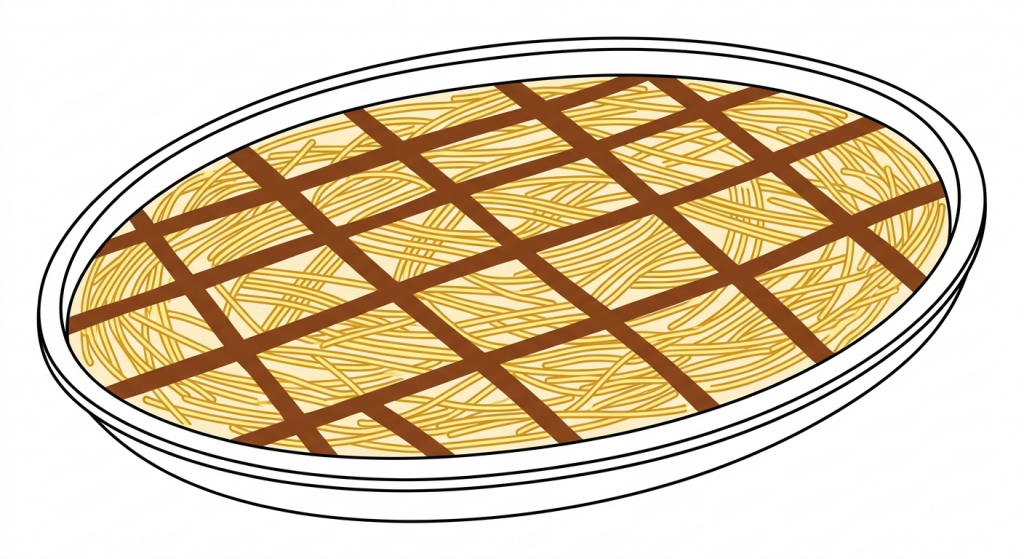
Portuguese convents produced an enormous range of egg yolk sweets as a practical response to surplus yolks — egg whites were used to starch religious habits and clarify wine, leaving large quantities of yolks that nuns transformed into preserved sweets. Toucinho do céu — bacon from heaven, named for its lard content — is a dense almond and egg yolk cake from Guimarães. Ovos moles de Aveiro are egg yolk and sugar sweets shaped into maritime forms — shells, fish, barrels — with a protected geographical indication specific to the city of Aveiro. Pão de ló is a light sponge cake with a deliberately underbaked center, regional variations of which exist across Portugal. Each convent town developed its own signature sweet, and many of these preparations are now produced commercially while remaining associated with their place of origin.
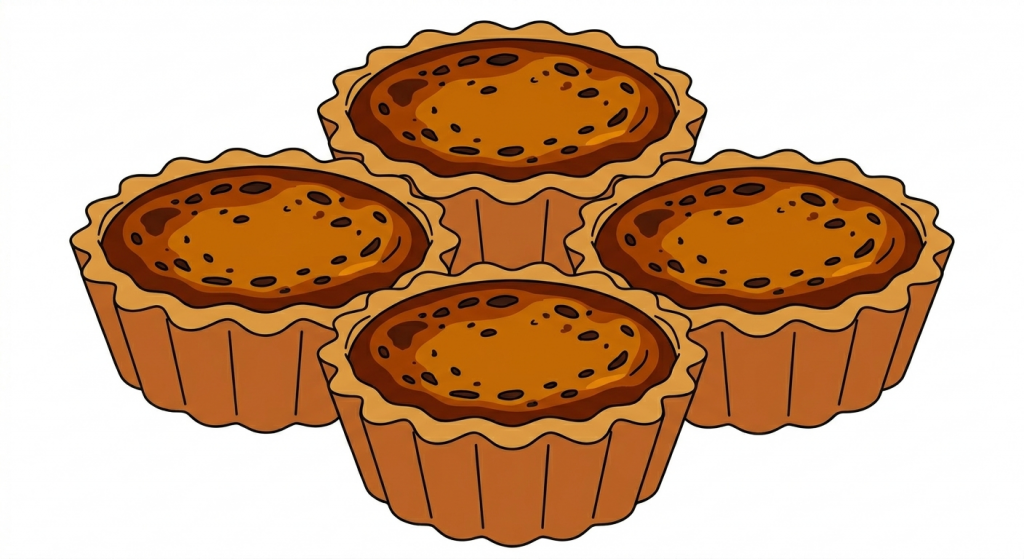
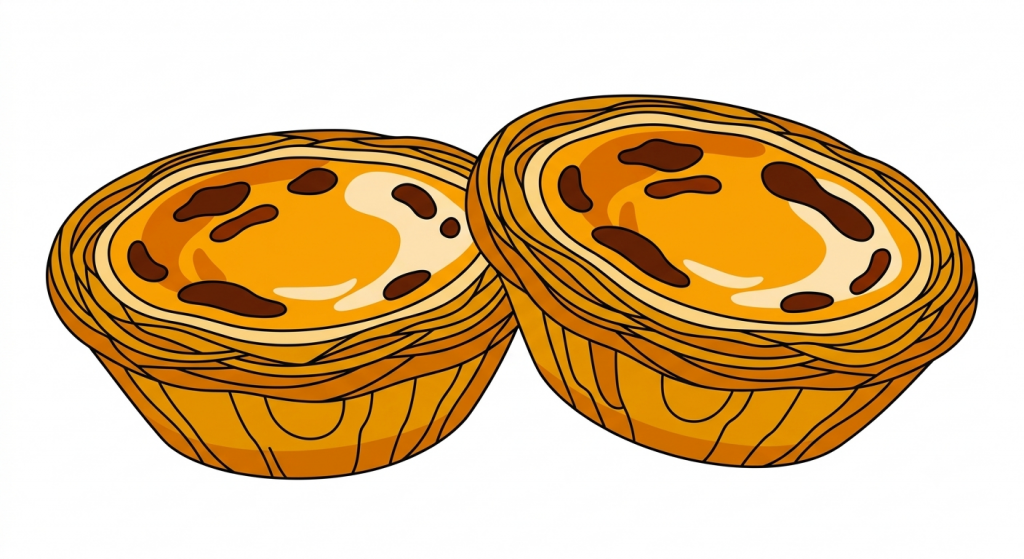
Pastéis de nata are custard tarts made with a flaky laminated pastry shell and an egg yolk custard filling, baked at high temperature to produce a blistered, caramelized top. The recipe originated at the Mosteiro dos Jerónimos in Belém, Lisbon, where they were sold from 1837 — the original bakery, Pastéis de Belém, still operates at the same location and maintains its recipe as a trade secret. The pastéis de nata sold globally are adaptations of this original.
Moorish presence in Portugal from the 8th through 15th centuries introduced almonds, citrus, cinnamon, and sugar to the Iberian Peninsula, forming the base of the Algarve and Alentejo regional sweet traditions. Dom Rodrigo and morgado de figo are almond-based confections specific to the Algarve that reflect this Moorish ingredient influence most directly.
This content was created with the assistance of AI. Sources are currently being reviewed.