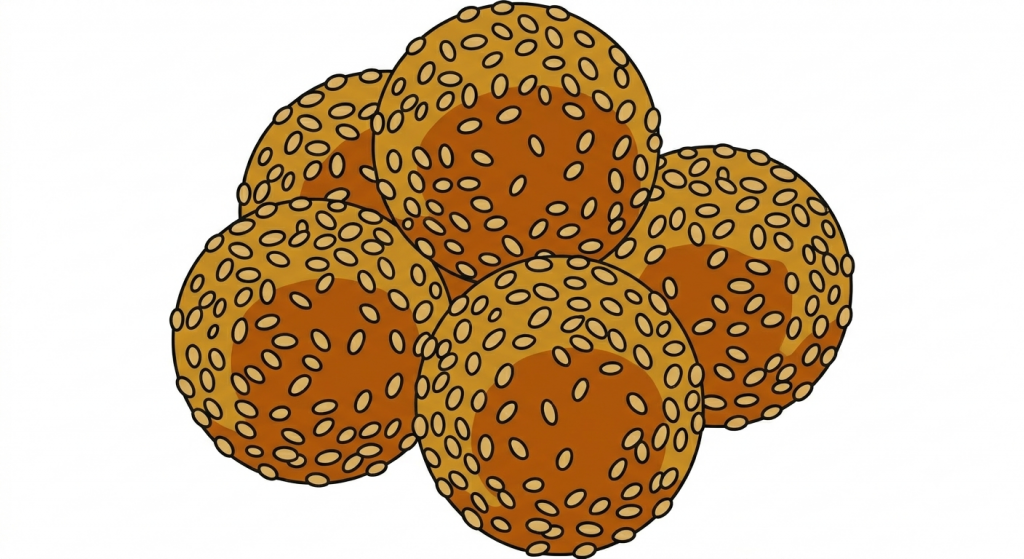
Trinidad and Tobago’s dessert culture is one of the most genuinely plural in the Caribbean, shaped by the specific demographics of colonial labor history. The island’s Indo-Trinidadian community — descendants of indentured laborers brought from India by the British between 1845 and 1917 — carried an intact sweets tradition that took root and evolved locally. Barfi, kurma, parsad, and ladoo are made for Divali and other Hindu observances, prepared at home in large quantities and distributed to neighbors regardless of religious background. This practice of sweets as community exchange is one of the most distinctive features of Trinidadian food culture.
Afro-Trinidadian sweets draw from the broader Caribbean larder — cassava pone, a dense baked pudding made from grated cassava, coconut, and spices, is one of the oldest local desserts on the island. Coconut drops, toolum — a dark molasses and coconut candy — and sugar cake all use the same core ingredients of coconut, sugar, and spice in different ratios and preparations.
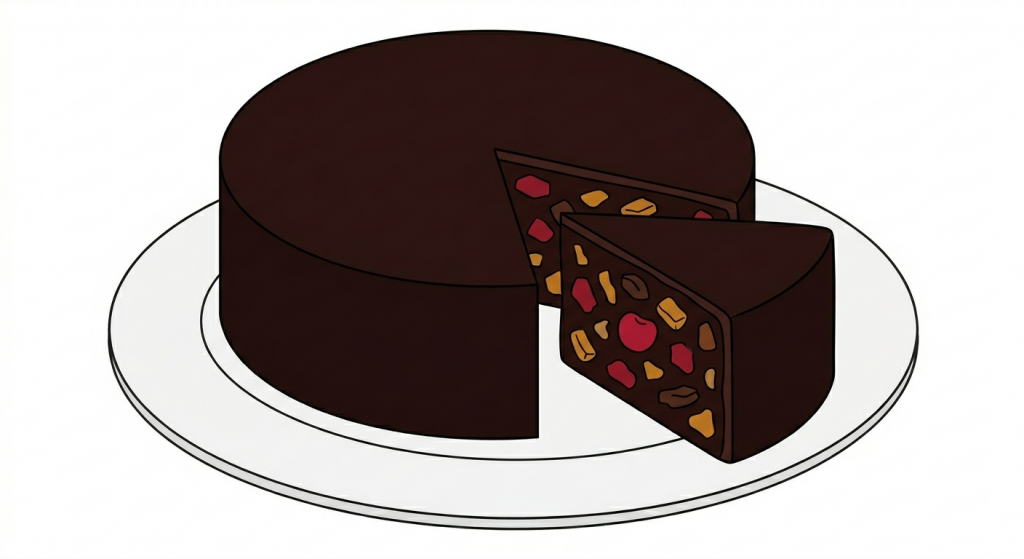
Sweetbread, a coconut-enriched quick bread studded with raisins and cherries, bridges the Afro-Caribbean and Creole traditions and is sold in bakeries year-round. Black cake — a rum and cherry-soaked fruit cake made with fruits that are steeped in alcohol for months before baking — is the Christmas cake of Trinidad, structurally similar to Jamaican black cake and Barbadian great cake, and taken seriously as a measure of a baker’s skill.
Chinese Trinidadian communities, present since the nineteenth century, have contributed their own thread to the sweet landscape, though this is less formally documented than the Indian and African streams.
Sweetness in Trinidad is calendrical, communal, and the direct product of colonial labor history.
This content was created with the assistance of AI. Sources are currently being reviewed.