Uruguayan dessert culture is shaped by Spanish and Italian immigration, a strong pastoral economy, and an exceptionally high-quality dairy industry that produces the primary ingredients for most of the country’s sweets. Milk, cream, eggs, and dulce de leche form the core pantry. Dulce de leche — slow-cooked sweetened milk reduced to a thick caramel spread — is not a topping or an accent in Uruguay. It is structural, appearing inside alfajores, spread on toast, layered into cakes, and eaten by the spoonful. Uruguay and Argentina contest its origin; what is not contested is how central it is to daily eating in both countries.
Alfajores are the most consumed sweet in Uruguay — two shortbread rounds sandwiched with dulce de leche and coated in chocolate or rolled in coconut. They are sold in every bakery, kiosk, and supermarket and eaten at any time of day. Pasta frola, a shortcrust tart filled with quince paste or dulce de leche, comes directly from Italian crostata tradition and is a standard home bake made for Sunday meals and family gatherings.
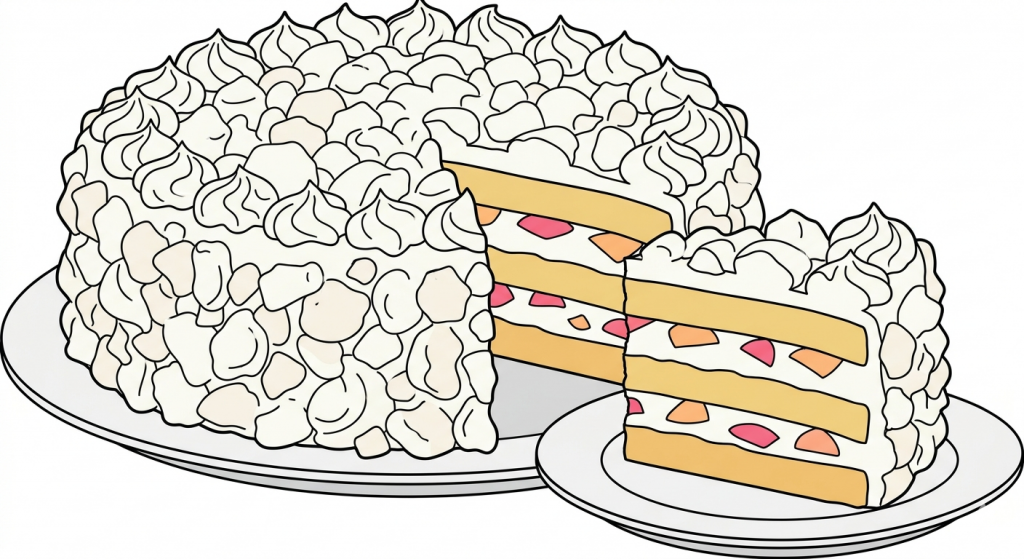
Chajá is Uruguay’s most distinctive celebration dessert — a layered construction of sponge cake, whipped cream, peaches, and meringue crumbs, invented in the city of Paysandú in the 1920s and named after a local bird. It is specifically Uruguayan with no direct equivalent elsewhere.
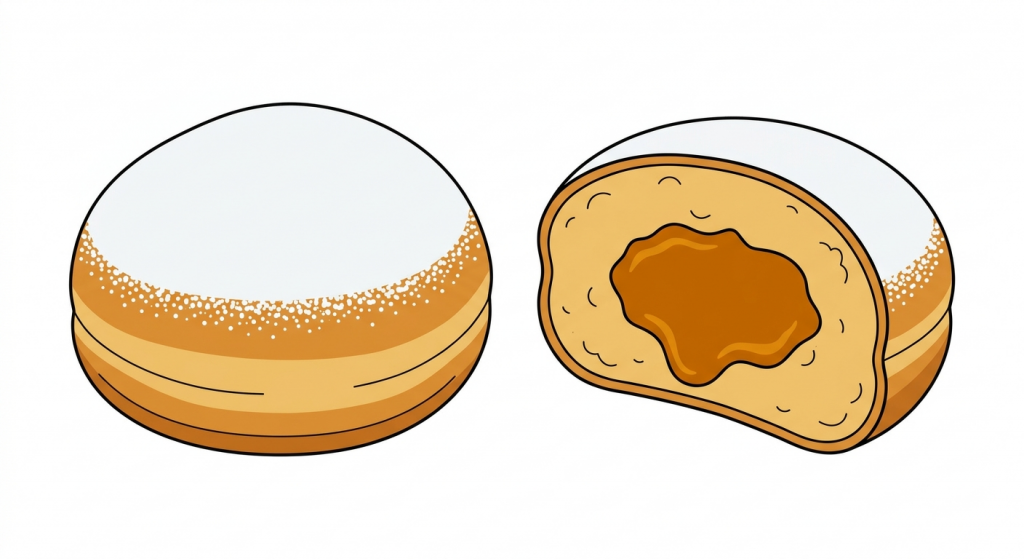
Martín Fierro — a pairing of fresh cheese with quince paste — functions as a dessert despite being cheese-based, and reflects the practical, dairy-centered logic of Uruguayan food culture broadly. Bolas de fraile, sugar-dusted fried dough balls filled with pastry cream or dulce de leche, are a standard bakery item eaten for breakfast or merienda.
Uruguayan sweetness is dairy-forward, Italian-inflected, and embedded in daily life rather than reserved for occasion.
This content was created with the assistance of AI. Sources are currently being reviewed.