Mexican desserts reflect three layered food cultures: the pre-Columbian ingredient base of Indigenous civilizations including the Aztec, Maya, Zapotec, and over 60 other distinct peoples; the Spanish colonial baking tradition introduced after 1521; and the regional variations that developed across 32 states with distinct climates, agricultural products, and food cultures. No single Mexican dessert tradition exists — what is eaten in Oaxaca differs substantially from Yucatán, and both differ from Mexico City or Veracruz.
Cacao and vanilla are Mexico’s most significant contributions to global dessert culture. Cacao was cultivated and consumed as a ceremonial and everyday drink by pre-Columbian civilizations for millennia before European contact. Vanilla originates in the Totonac culture of Veracruz, where it was cultivated long before Spanish arrival. Both were introduced to Europe through colonial trade and transformed European confectionery. Oaxaca remains a center of traditional chocolate production using stone-ground cacao, cinnamon, and sugar in preparations distinct from European chocolate.
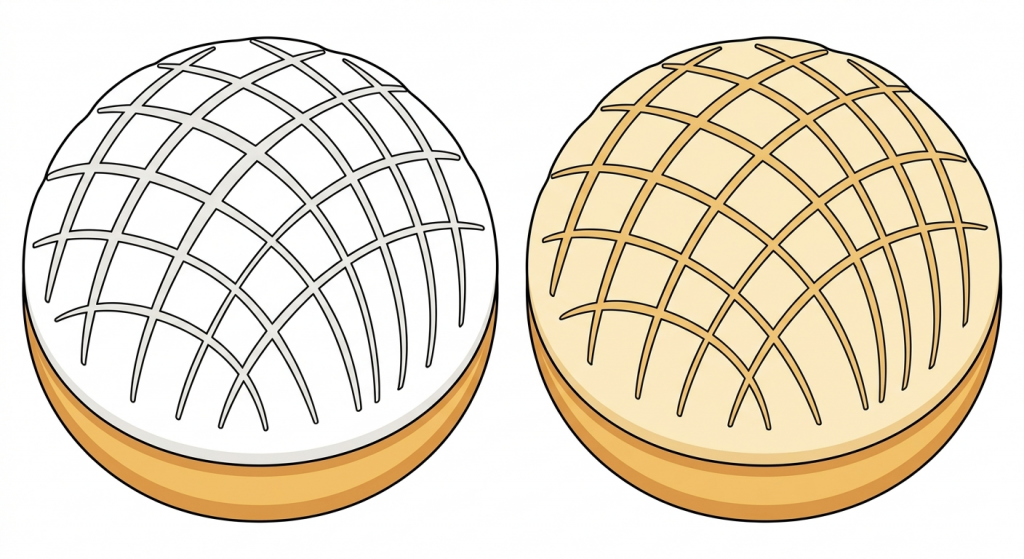
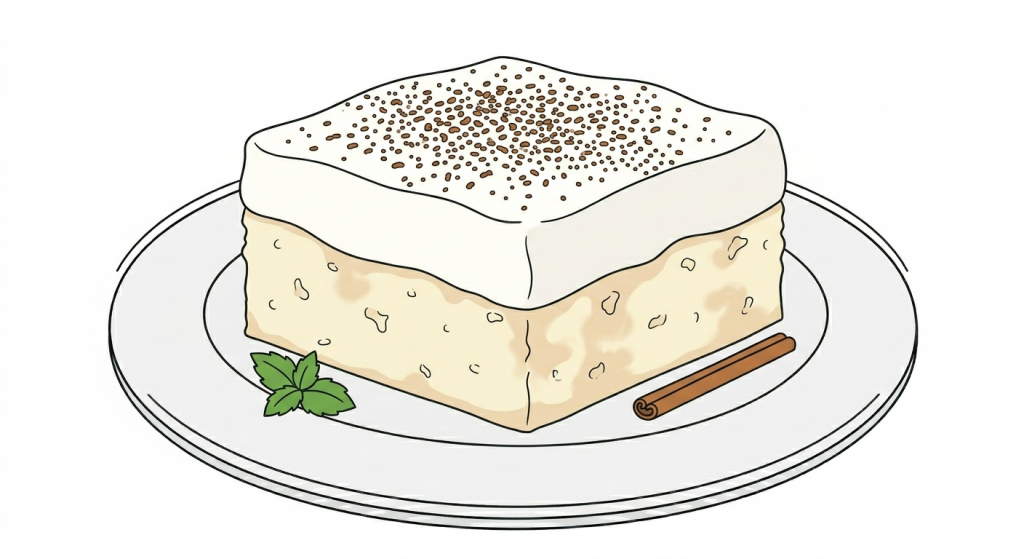
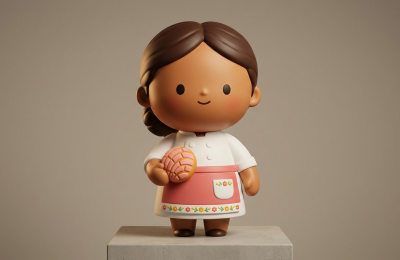
Spanish colonization introduced wheat flour, dairy, eggs, refined sugar, and lard — transforming the ingredient base and producing a hybrid baking tradition. Pan dulce — sweet bread — encompasses dozens of regional varieties sold daily in panaderías across the country. Conchas are the most widely recognized, a soft sweet roll topped with a crunchy sugar shell scored in a pattern. Tres leches cake — sponge soaked in three types of milk — is claimed by Mexico though its exact origin is disputed with Nicaragua and Honduras. Flan, buñuelos, and churros reflect direct Spanish colonial influence.
Día de los Muertos — observed November 1st and 2nd — is the most important food occasion in the Mexican calendar for sweets. Pan de muerto, an enriched bread decorated with bone-shaped dough and orange zest, is baked specifically for the holiday and placed on ofrendas alongside sugar skulls — calaveras de azúcar — made from pressed sugar paste and decorated with colored icing. Both are produced in large quantities in home kitchens and bakeries throughout October and November.
This content was created with the assistance of AI. Sources are currently being reviewed.