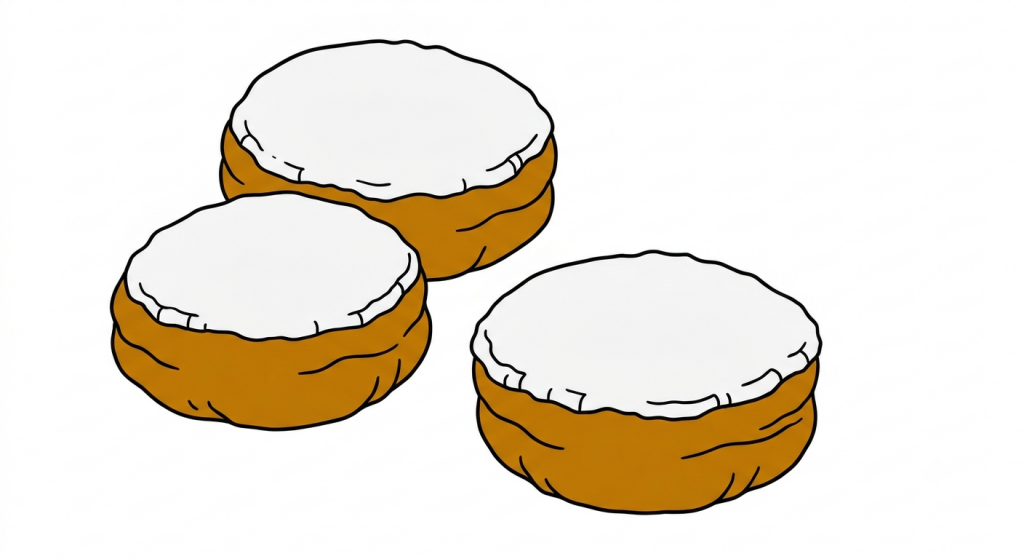
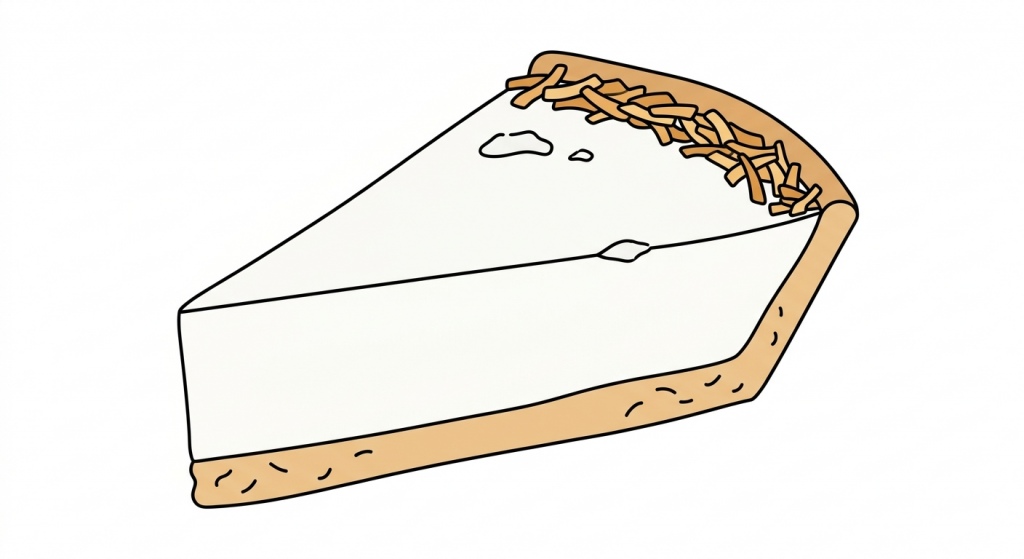
Hawaiʻi’s dessert tradition begins with the land — taro, coconut, and sweet potato brought by Polynesian voyagers who settled the islands centuries before European contact. Haupia, kulolo, and kōʻelepālau are Native Hawaiian sweets that still anchor the table at lūʻaus and family gatherings today. Everything that came after built on that foundation.
Portuguese sugar plantation workers brought malasadas. Japanese immigrants introduced mochi, manju, and butter mochi. Filipino, Chinese, and Korean communities added their own sweets to what became a genuinely multicultural local food culture. The result is not fusion — it is layering. Each tradition kept its own identity while becoming part of something specific to these islands.
Local Hawaiʻi desserts are distinct from anywhere else — lilikoi bars, haupia pie, shave ice with azuki beans and mochi. They belong here and nowhere else.
This content was created with the assistance of AI. Sources are currently being reviewed.