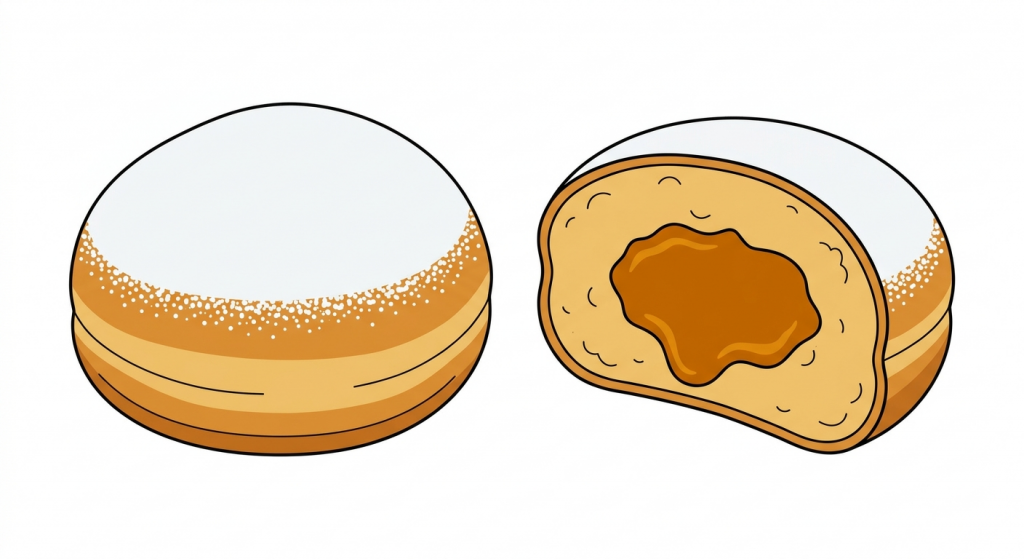
Argentine dessert culture is heavily shaped by 19th and 20th century European immigration, particularly from Italy, Spain, France, and Germany. Buenos Aires developed a confitería tradition — café-pastry shops — modeled on European counterparts, where medialunas, facturas, and layered cakes became central to daily life. Many of these establishments have been operating for over a century.
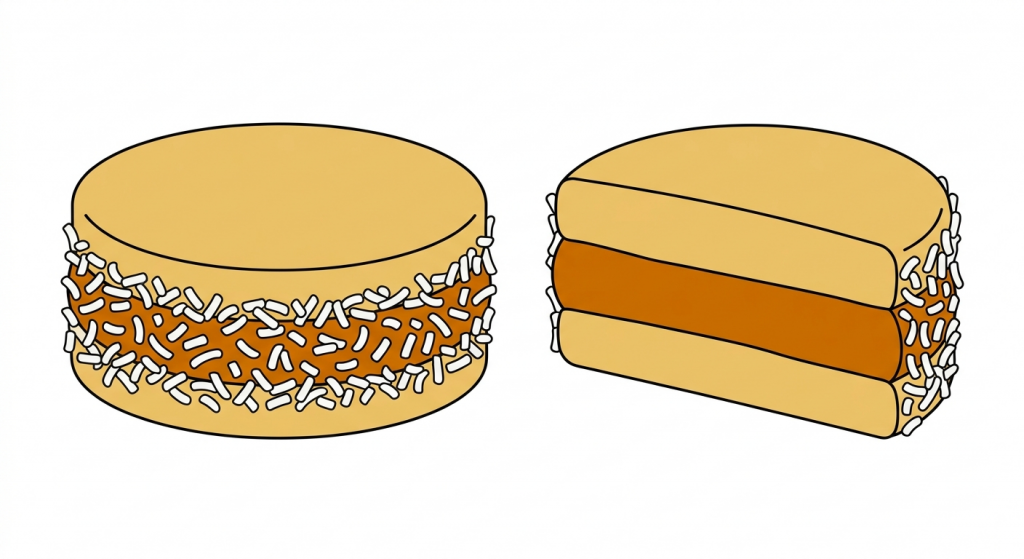
Dulce de leche is the defining ingredient of Argentine sweets. A slow-cooked milk caramel, it fills alfajores — shortbread cookie sandwiches coated in chocolate or powdered sugar — and appears in cakes, tarts, ice cream, and pastries across the country. Argentina’s per capita dulce de leche consumption is among the highest in the world, and the ingredient is treated as a pantry staple rather than a specialty item.
Italian immigration brought gelato culture to Argentina, and the country developed its own heladería tradition that is distinct from Italian gelato in texture and flavor range. Buenos Aires has one of the highest concentrations of ice cream shops per capita in the world, with dulce de leche, tramontana, and sambayón among the most popular flavors.
Quince paste served alongside fresh cheese — membrillo con queso — is a common dessert or merienda item with roots in Spanish colonial cooking. Facturas, the collective name for Argentine pastry, includes a wide range of filled and glazed baked goods sold daily in panaderías throughout the country.
This content was created with the assistance of AI. Sources are currently being reviewed.