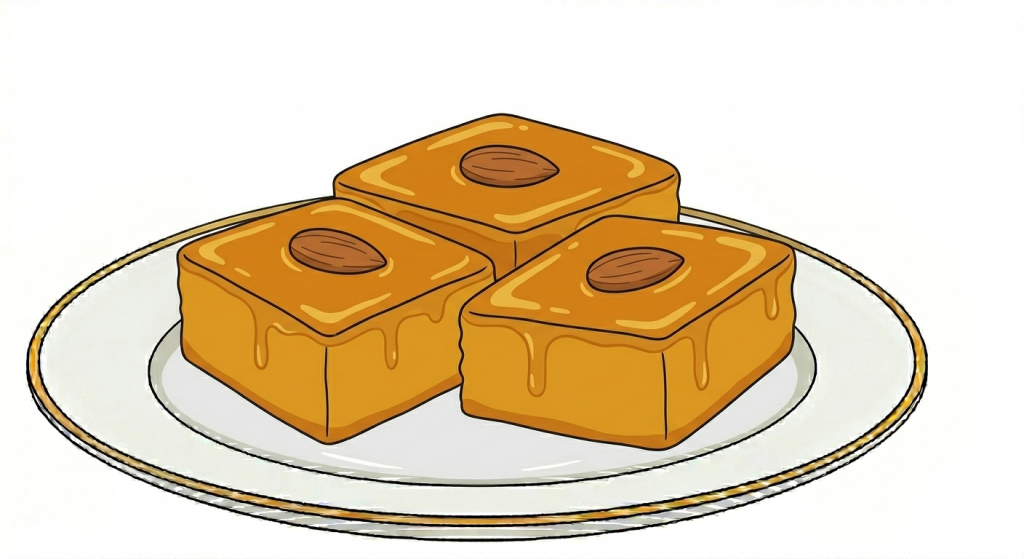
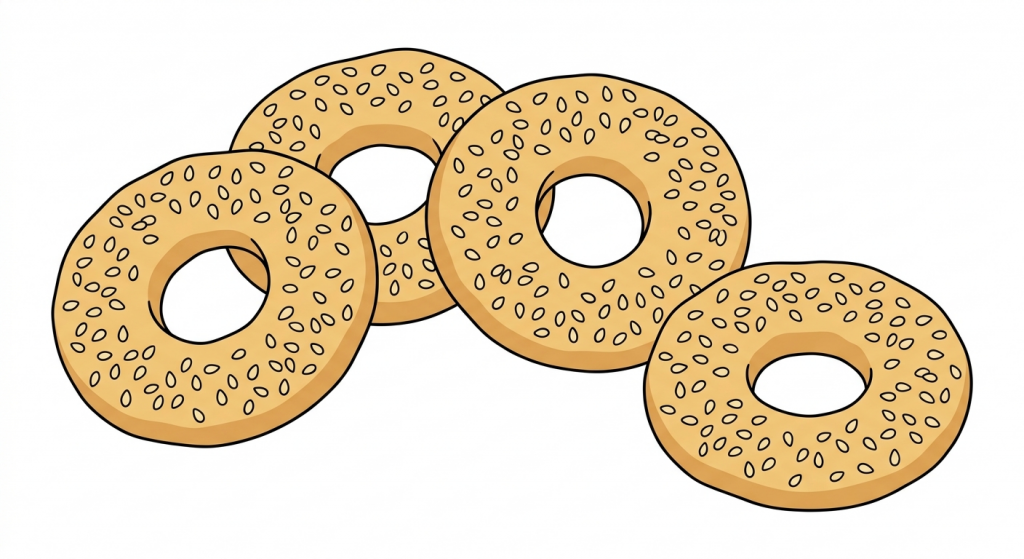
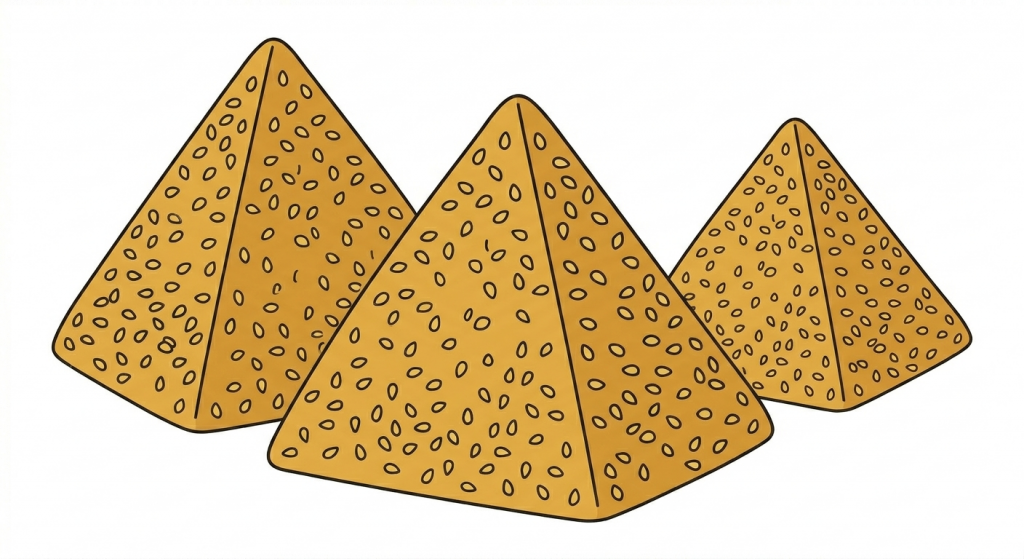
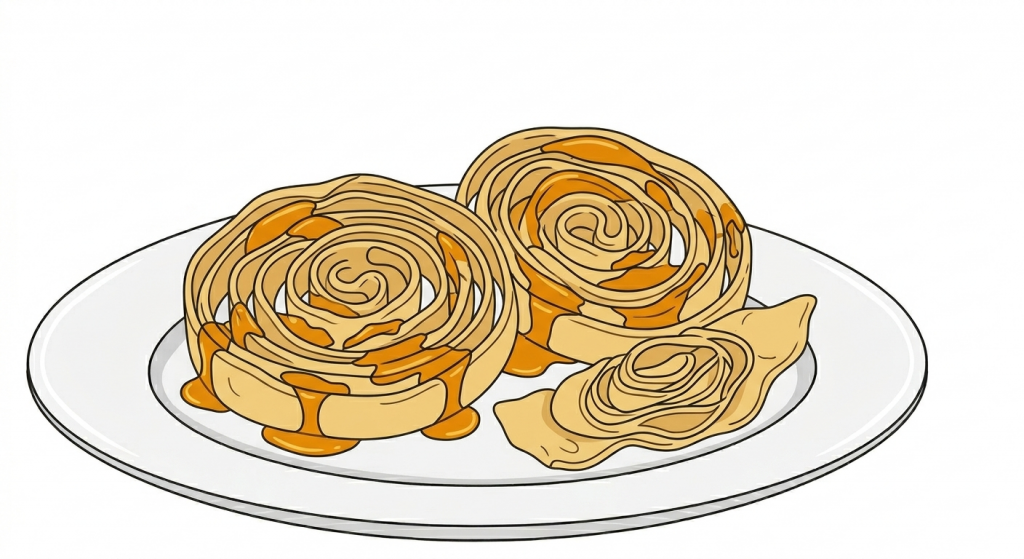
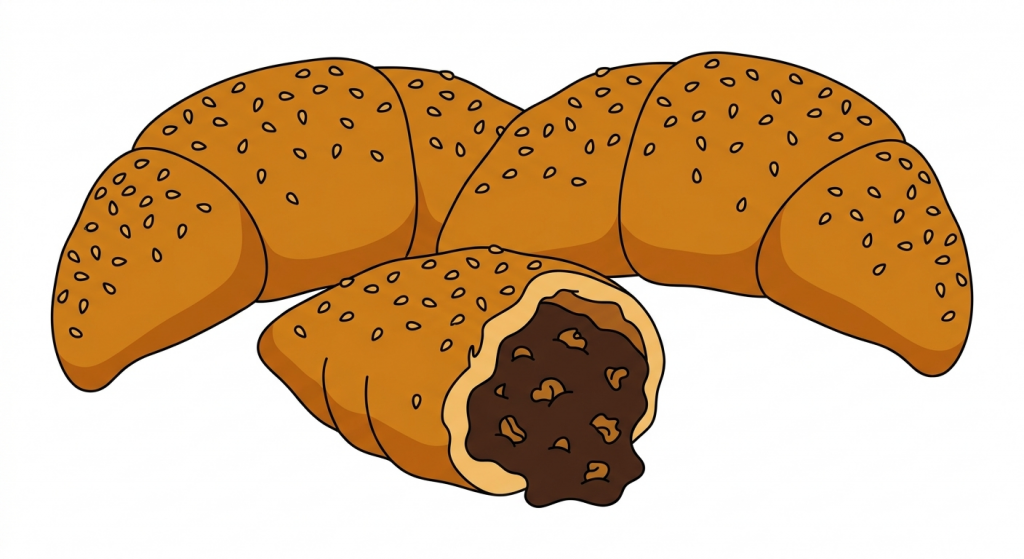
Balkan desserts are built on layers—of dough, of history, of shared techniques that traveled through empires rather than nations. Across the region, sweets favor phyllo, semolina, walnuts, almonds, honey, and syrup, often finished with powdered sugar or soaked until just tender. These are desserts meant to be sliced, shared, and portioned for a crowd..
Ottoman influence runs deep, shaping pastries that resemble baklava, kadaif, and syrup-soaked cakes, yet each place adapts them with local fats, spices, and levels of sweetness. Butter might give way to oil; rose water may appear or disappear; nuts change based on geography and trade. What remains consistent is restraint—Balkan desserts are rich but rarely excessive, sweet but grounded.
There is a strong sense of home baking over patisserie. Many desserts are tied to holidays, religious calendars, and family rituals rather than cafés. They are made to travel well, to feed many, and to sit on a table alongside conversation. Even simpler sweets—yeasted breads, milk-based puddings, nut-filled cookies—carry cultural weight.
In the Balkans, dessert is less about indulgence and more about continuity. Recipes survive political shifts, renamed borders, and changing languages. A pastry may belong to many places at once, and that shared ownership is part of its power.
This content was created with the assistance of AI. Sources are currently being reviewed.