Italian dessert culture is organized around regional identity rather than a national canon — what is eaten in Sicily differs substantially from Piedmont, and what is considered traditional in Naples has little overlap with Venice. Italy unified as a nation only in 1861, and the regional food traditions that developed over centuries under separate city-states, kingdoms, and foreign rulers remain distinct and locally defended.
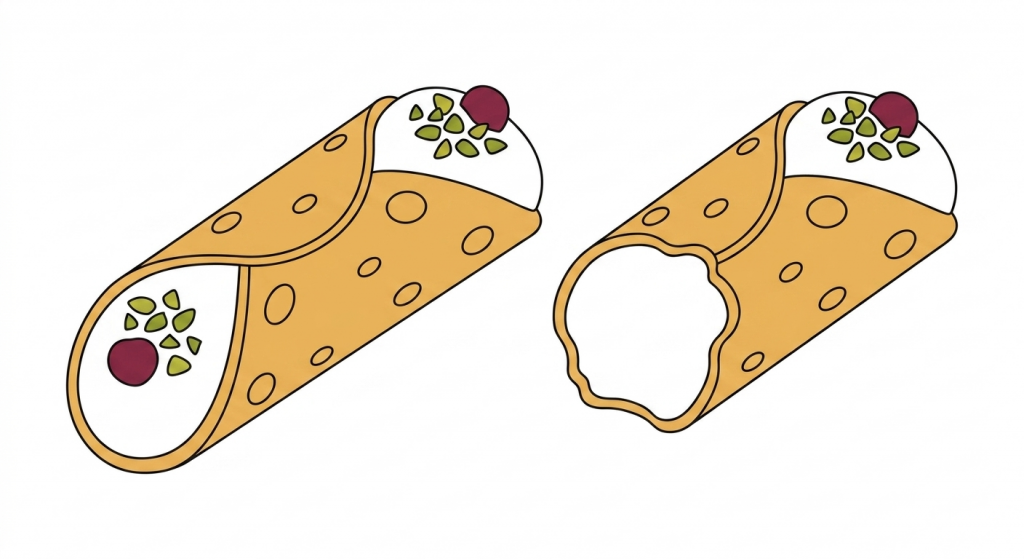
Sicily has one of the most complex dessert traditions in Italy, shaped by Arab, Norman, Spanish, and Greek occupation over centuries. Cannoli — fried pastry tubes filled with sweetened ricotta — are the most internationally recognized Sicilian preparation. Cassata is a sponge cake layered with sweetened ricotta, marzipan, and candied fruit, elaborately decorated and associated with Easter. Granita — coarse-textured flavored ice — is eaten for breakfast alongside a brioche bun in Sicily, a combination specific to the island. Arab influence introduced almonds, citrus, cinnamon, and sugar to Sicilian cooking during the 9th and 10th centuries, forming the base of many preparations that remain unchanged.
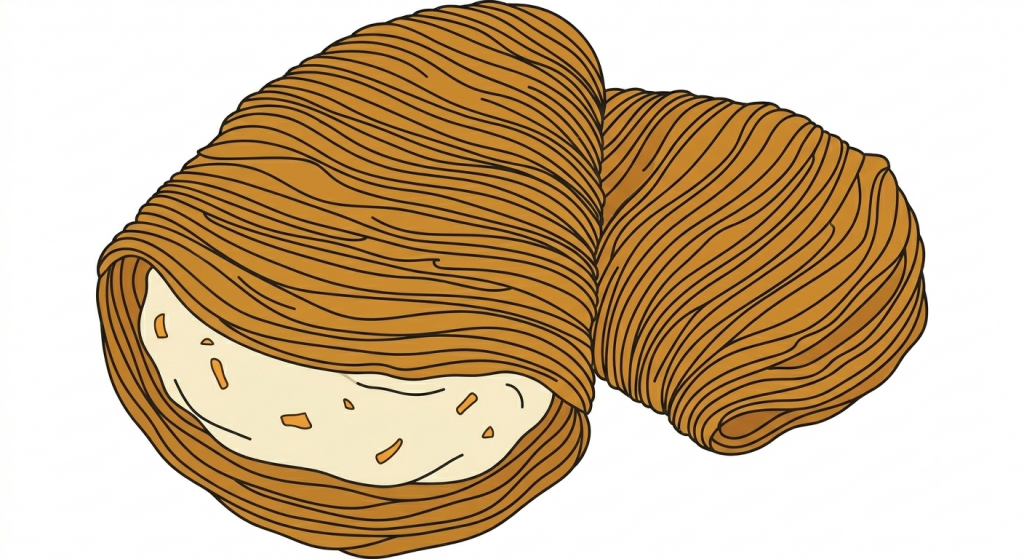
Tiramisu is associated with the Veneto region, though its exact origin is contested between several restaurants in Treviso and Friuli-Venezia Giulia. Documented recipes appear from the 1960s and 1970s, making it one of the more recent additions to the Italian dessert canon despite its international ubiquity. Sfogliatelle are shell-shaped layered pastries filled with ricotta and semolina, specific to Naples and technically demanding to produce. Panettone is a yeasted enriched bread with dried fruit, produced in Milan and legally protected as a Milanese product under Italian food law.
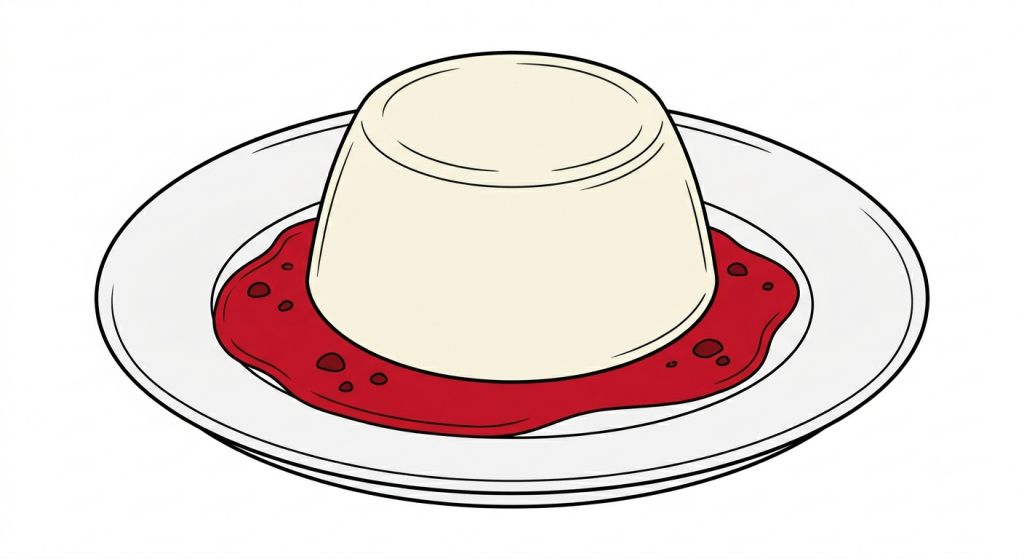
Gelato differs from ice cream in fat content, air incorporation, and serving temperature — Italian gelato contains less fat and less air than American ice cream and is served at a slightly warmer temperature, producing a denser, more intensely flavored product. Gelato production is regulated in Italy, and the artigianale designation indicates handmade production using fresh ingredients rather than industrial bases. Panna cotta — cooked cream set with gelatin — originates in Piedmont and is one of the few Italian desserts without significant regional variation in its basic preparation.
This content was created with the assistance of AI. Sources are currently being reviewed.