Ashkenazi Jews are the descendants of Jewish communities that settled in the Rhine Valley of Germany from around the 10th century and subsequently spread across Central and Eastern Europe — Poland, Russia, Ukraine, Lithuania, Hungary, and Romania. The food tradition that developed in these communities over centuries was shaped by cold climate agriculture, the constraints of kashrut, poverty in the shtetl communities of Eastern Europe, and the religious calendar that structured daily and seasonal eating.
Kashrut — Jewish dietary law — directly shaped Ashkenazi baking. The prohibition on mixing meat and dairy meant that desserts served after meat meals had to be pareve — made without butter or milk. Schmaltz, oil, and nut milks substituted for dairy fat in many preparations. Shabbat and holiday baking used eggs and sugar generously while weekday baking was simpler and more austere, reflecting the economic conditions of most Eastern European Jewish communities.
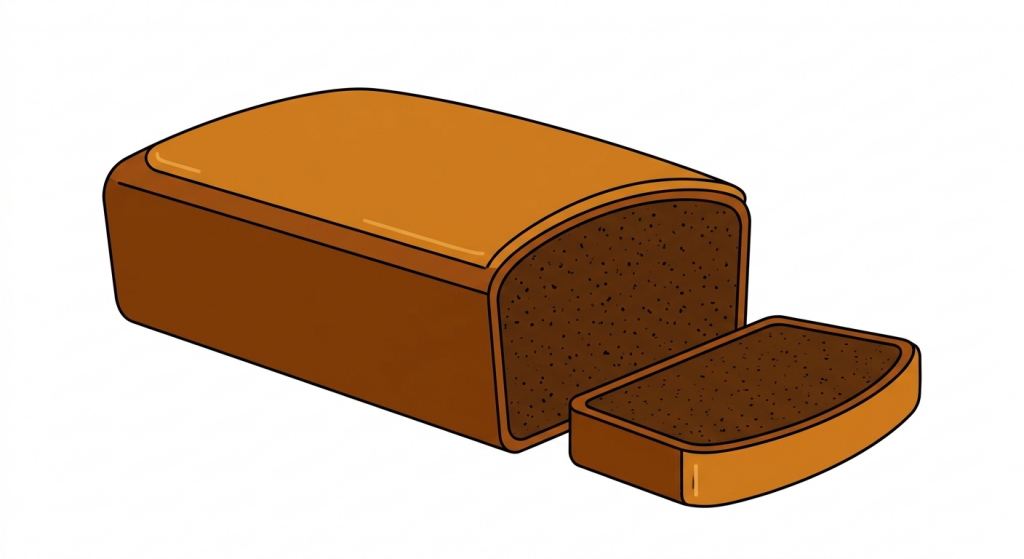
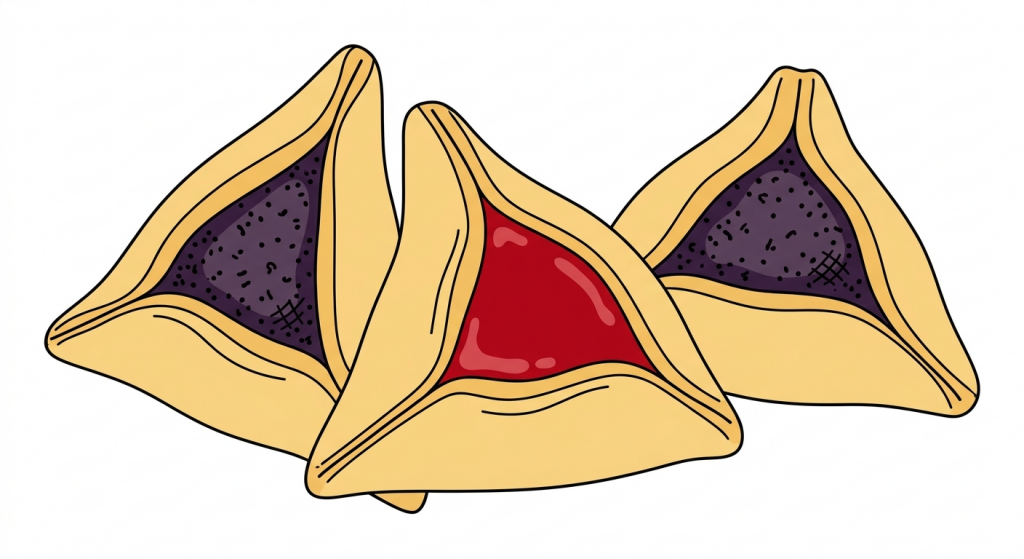
Challah is a braided enriched bread made with eggs and oil, traditionally baked for Shabbat and holidays. Babka is a yeasted sweet bread swirled with chocolate or cinnamon filling, originating in Eastern Europe and adapted significantly in American Jewish communities. Rugelach are small rolled pastries made from cream cheese dough filled with jam, chocolate, or poppy seed — one of the most widely adapted Ashkenazi preparations in American Jewish baking. Honey cake — lekach — is baked for Rosh Hashanah, the Jewish New Year, where honey symbolizes the hope for a sweet year. Hamantaschen are triangular filled cookies made for Purim, filled with poppy seed paste, fruit jam, or chocolate.
The Holocaust killed six million Jews — approximately one third of the world’s Jewish population at the time — and destroyed the communities of Eastern Europe where Ashkenazi food culture had developed over centuries. The majority of Ashkenazi food tradition as it exists today was preserved and adapted by survivors and their descendants in Israel, the United States, Canada, Argentina, and other countries where Jewish communities resettled after 1945. What is now considered classic Ashkenazi baking is largely the American Jewish adaptation of that tradition, transformed by new ingredients, new contexts, and the experience of immigration.
This content was created with the assistance of AI. Sources are currently being reviewed.