New Orleans occupies a unique position in American food culture as the only major American city with a fully developed Creole culinary tradition — a food culture that emerged from the intersection of French colonial cooking, West and Central African culinary traditions, Spanish colonial influence, and Caribbean foodways. The city’s dessert tradition reflects all of these layers in preparations that are distinct from both Southern American baking and French patisserie while drawing on both.
The Haitian Revolution of 1791-1804 directly shaped New Orleans food culture. Following the revolution, thousands of Saint-Domingue refugees — white Creoles, free people of color, and enslaved people — arrived in New Orleans, nearly doubling the city’s population and reinforcing its French Caribbean food culture at a critical period. The free Black population of New Orleans, among the largest and most established in the antebellum South, developed a distinct culinary tradition that included calas — fried rice fritters sold by Black women vendors in the French Quarter — and contributed directly to the development of New Orleans Creole cooking.
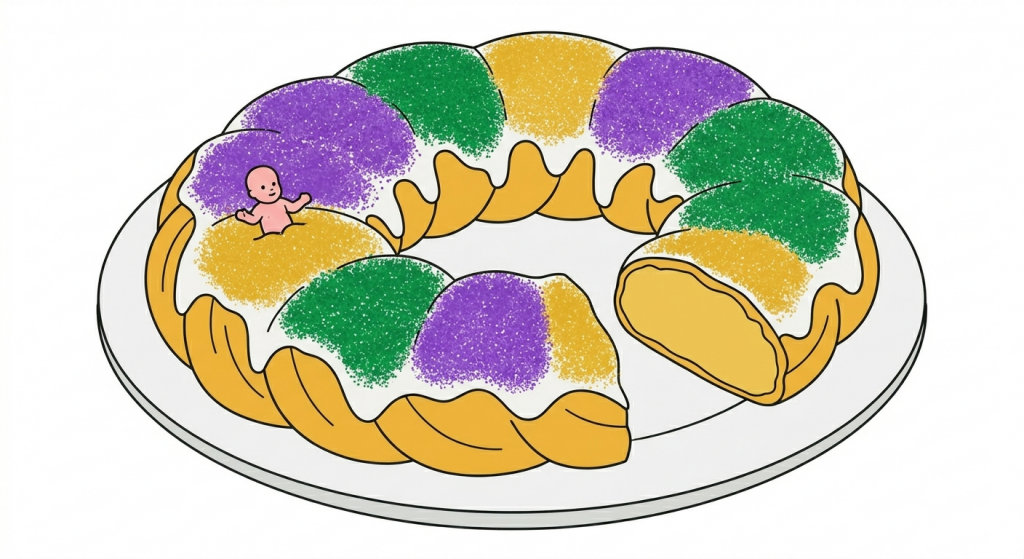
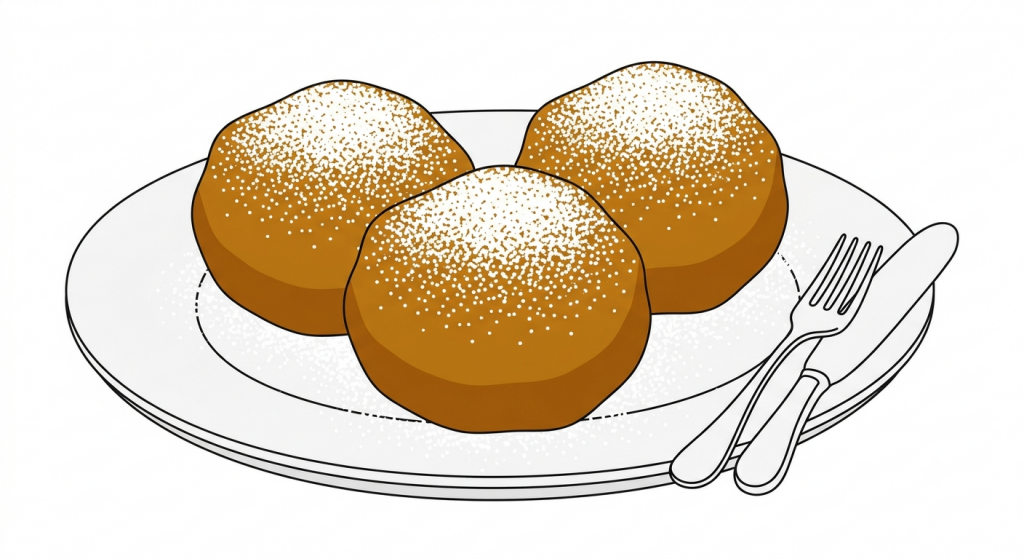
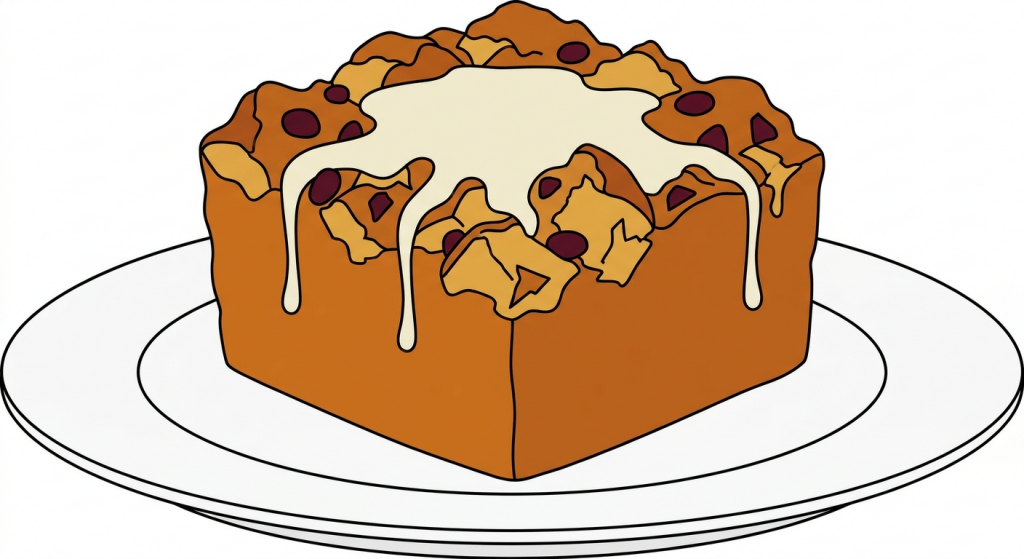
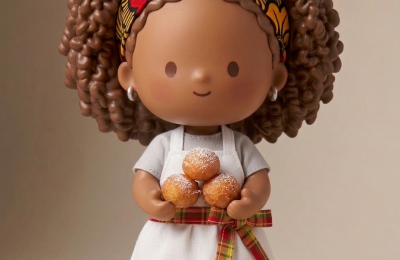
Pralines — flat candy patties made from pecans and brown sugar or cream — are the most distinctly New Orleans confection, developed by French Creole cooks who substituted pecans for the almonds used in French pralines. They are sold by street vendors and in candy shops throughout the French Quarter. Beignets are fried dough squares dusted with powdered sugar, served at café tables — associated with Café Du Monde which has operated continuously since 1862. Bread pudding with whiskey sauce is a standard New Orleans restaurant dessert made from day-old French bread. King cake is a yeasted ring cake decorated in purple, gold, and green — Mardi Gras colors — eaten from Epiphany through Fat Tuesday, with a small plastic baby hidden inside.
Hurricane Katrina in 2005 killed over 1,800 people, displaced hundreds of thousands of New Orleans residents, and severely disrupted the city’s food culture. Many established restaurants and bakeries closed permanently. The Vietnamese American community in New Orleans East, which had developed a significant food presence in the city, was among the hardest hit. Recovery of the food community took years and some aspects of pre-Katrina New Orleans food culture have not returned.
This content was created with the assistance of AI. Sources are currently being reviewed.