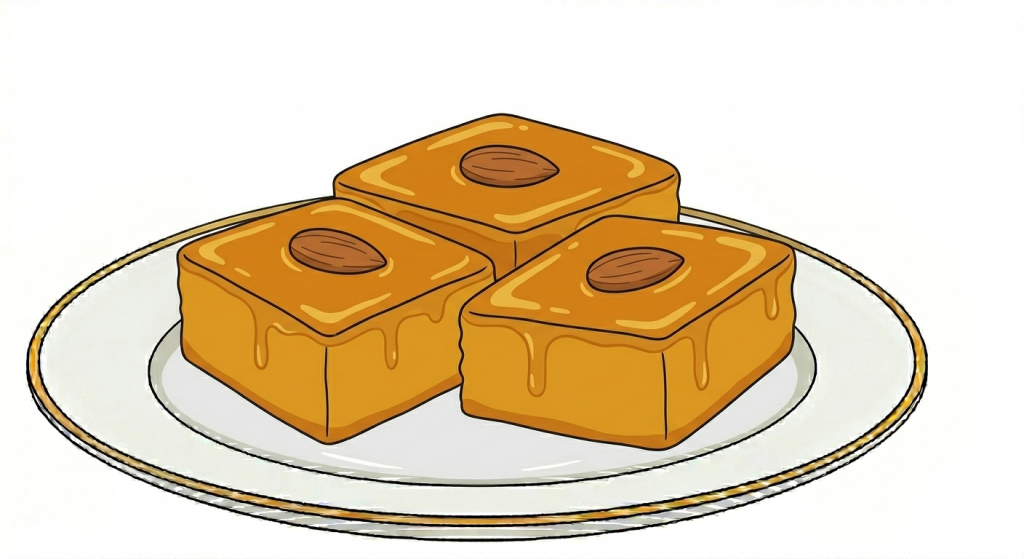
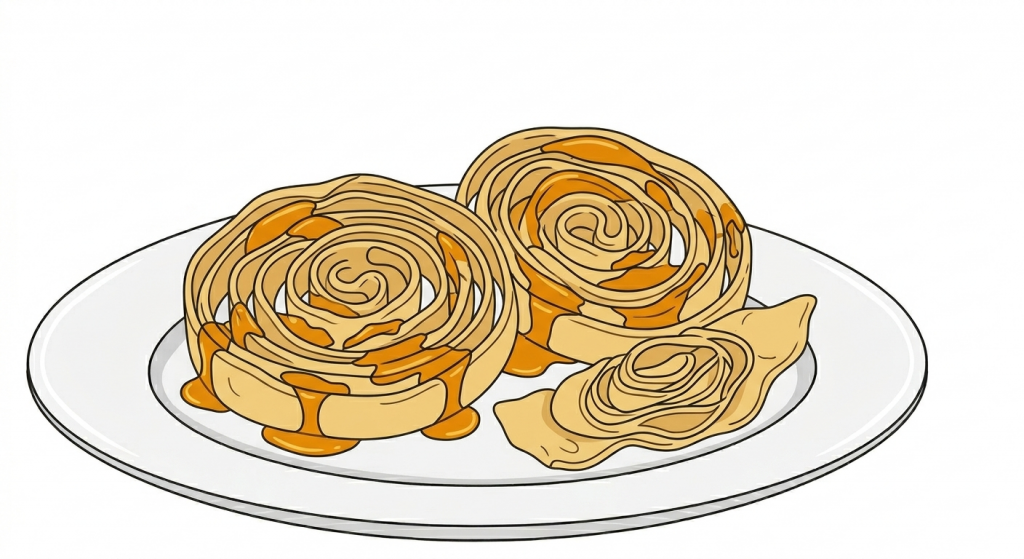
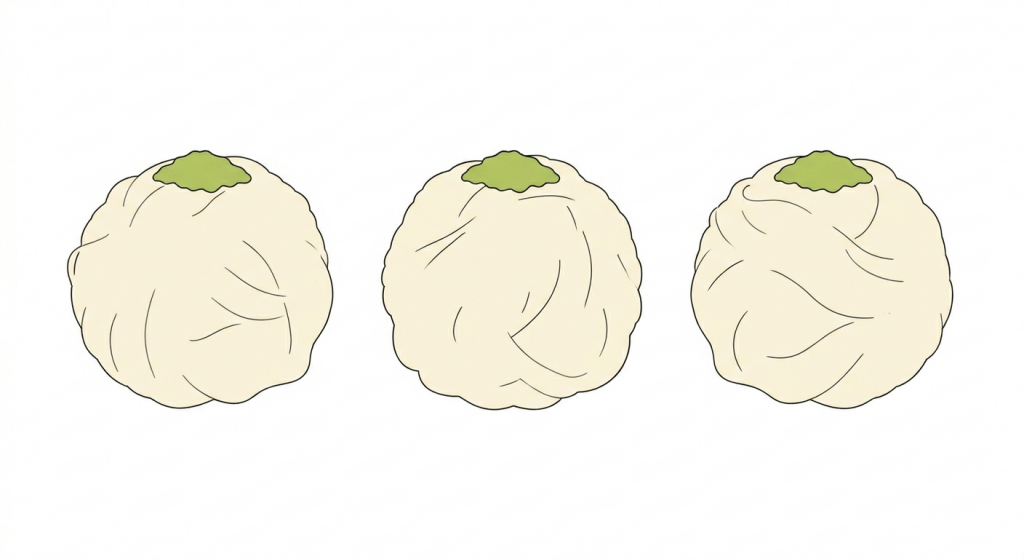
The Ottoman palace kitchen — the Topkapı Sarayı mutfağı — was one of the most systematized culinary institutions in the medieval and early modern world, employing hundreds of cooks divided by specialty, including dedicated confectioners. The sweets that emerged from that system — baklava, lokum, helva, muhallebi, and their variations — became the template for dessert culture across a territory stretching from the Balkans to North Africa to the Arab world. Modern Turkish confectionery is the direct continuation of that tradition, refined over centuries and still regionally specific.
Gaziantep in southeastern Turkey holds a protected geographical indication for its baklava — the city’s version uses locally grown Antep pistachios, clarified butter, and a specific phyllo thickness that distinguishes it from baklava made elsewhere in the country. Gaziantep bakers train for years and the city’s baklava shops are considered the national benchmark. Künefe, shredded wheat pastry filled with unsalted cheese and soaked in syrup, is also a southeastern specialty, served hot and eaten immediately.
Istanbul and the Aegean west operate differently — muhallebi shops serving milk puddings, rice flour desserts, and tavuk göğsü (a chicken breast milk pudding with Ottoman palace origins) represent an older urban dessert culture distinct from the nut and syrup tradition of the southeast. Sütlaç, baked rice pudding with a caramelized top, is a nationwide staple. Aşure, a Noah’s pudding made from grains, legumes, dried fruit, and nuts, is prepared communally on the tenth day of Muharram and distributed to neighbors — one of the oldest dessert traditions in the country with pre-Ottoman roots.
Lokum — Turkish delight — is the most internationally recognized Turkish confection and also the most misrepresented. Quality lokum is made with cornstarch, sugar, and natural flavorings and has a clean, yielding texture entirely unlike the commercial versions exported globally.
Turkish sweetness is regional, historically institutional, and technically demanding at its highest levels.
This content was created with the assistance of AI. Sources are currently being reviewed.