Brazilian desserts are built from a small, powerful vocabulary of ingredients, shaped by climate, history, and daily life rather than spectacle. Coconut, condensed milk, eggs, sugar, tropical fruits, and cassava form the backbone — repeated, recombined, and refined across regions and generations.
Sweetness in Brazil tends to be direct but not careless. Many desserts lean rich and dense, balanced by acidity from citrus or the subtle bitterness of caramelized sugar. Texture matters as much as flavor: custards that wobble just enough, cakes meant to be sliced thick, sweets designed to melt slowly in the heat.
Colonial influence plays a major role, particularly Portuguese techniques that emphasize egg yolks and sugar syrups. Over time, these methods merged with Indigenous ingredients like cassava and peanuts, and with African culinary traditions brought coconut, dendê palm oil, and spice into the Brazilian kitchen, most visibly in the food culture of Bahia. The result is a dessert culture that feels both structured and intuitive.
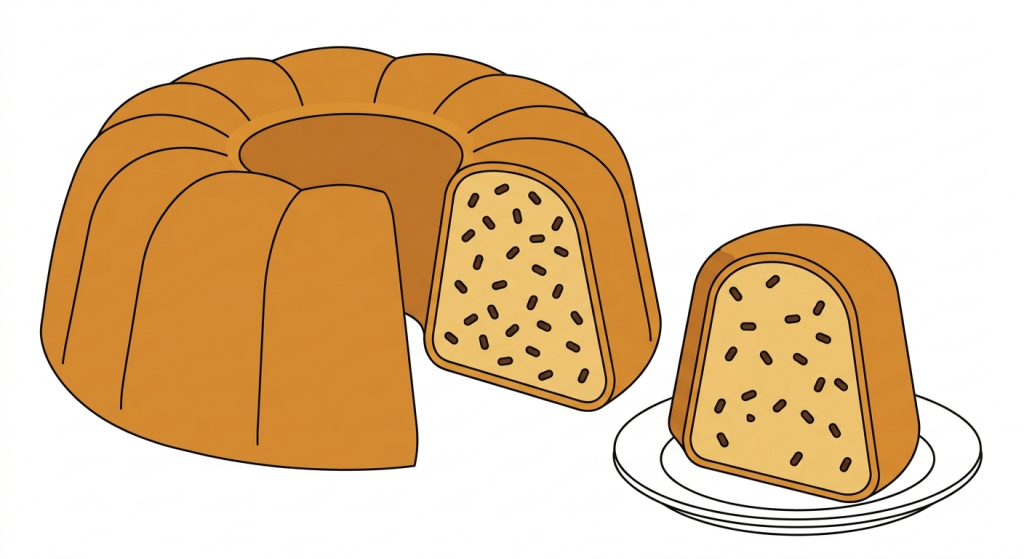
Brazilian sweets are rarely about individual portions or ornate plating. They belong on trays, in bakeries, wrapped in paper, or served at gatherings where dessert is not a finale but part of the conversation. Brigadeiros, quindim, cocada, pudim, bolo de milho — these are desserts that invite repetition, memory, and improvisation.
There is also a strong sense of regional identity. Coastal areas favor coconut-forward desserts. Inland regions lean toward corn, peanuts, and baked goods tied to harvest cycles and festivals. In cities like Rio de Janeiro and São Paulo, bakery culture blends tradition with everyday accessibility — sweets you buy on the way home, not just for celebration.
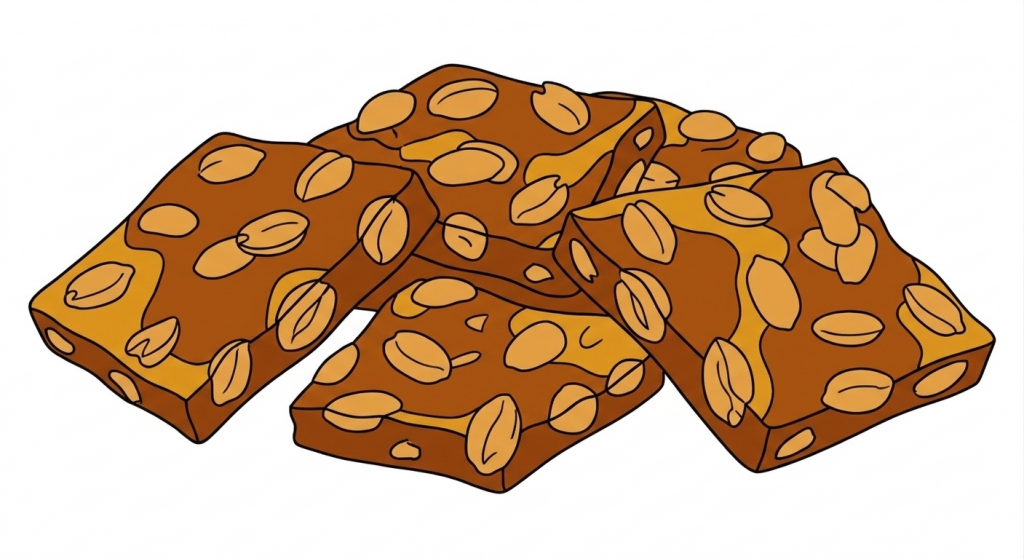
Regional festivals shape Brazilian dessert culture significantly. Festa Junina, celebrated across Brazil in June, is one of the most important contexts for traditional sweets — paçoca, pé de moleque, bolo de milho, canjica, and cocada are all associated with the festival and produced in large quantities in home kitchens and street stalls. Many of these recipes have remained consistent for generations and represent some of the most documented traditional sweets in the country.
This content was created with the assistance of AI. Sources are currently being reviewed.