Korean dessert culture operates on two distinct tracks — hangwa, the traditional confectionery tradition developed during the Joseon Dynasty, and the contemporary café and bakery culture that emerged in South Korea from the 1980s onward and has become internationally influential through Korean popular culture. Both are technically sophisticated but reflect entirely different contexts and aesthetics.
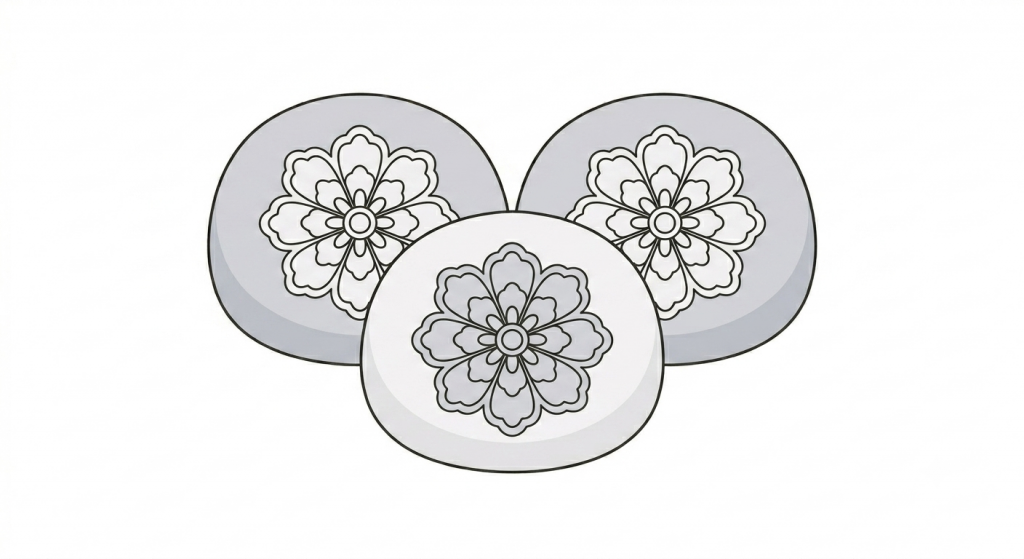
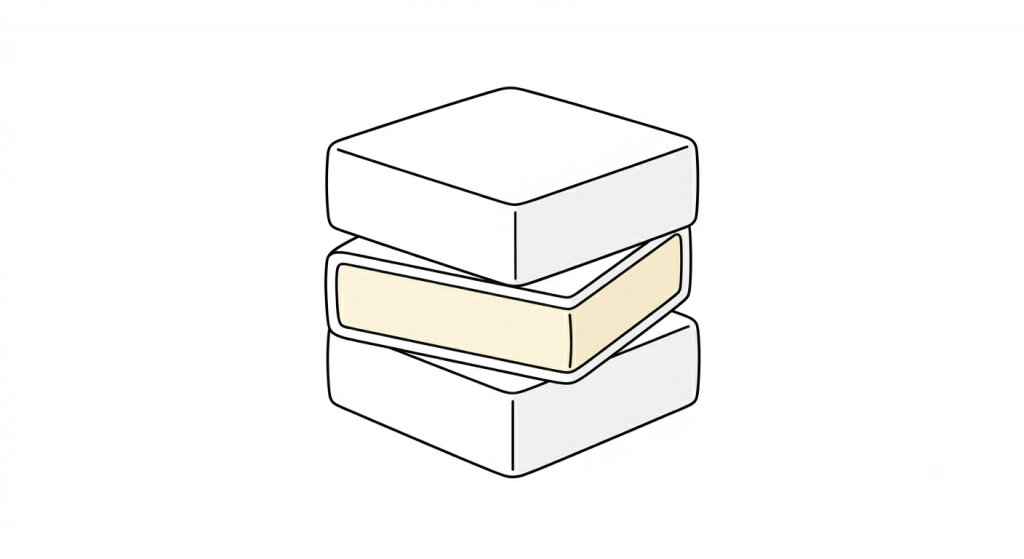
Hangwa is the collective term for traditional Korean confections — preparations made from grain flour, honey, fruit, and edible flowers that were developed for court ceremonies, ancestral rites, and seasonal celebrations during the Joseon Dynasty. Yakgwa are honey and sesame oil cookies fried and soaked in honey syrup — one of the oldest documented Korean confections, with recipes appearing in texts from the Goryeo period. Tteok are rice cakes made from glutinous or non-glutinous rice flour, steamed or pounded, and available in hundreds of regional variations — colored with natural ingredients including mugwort, jujube, and pumpkin. Tteok are eaten at every major Korean celebration including Chuseok, Seollal, and birthdays.
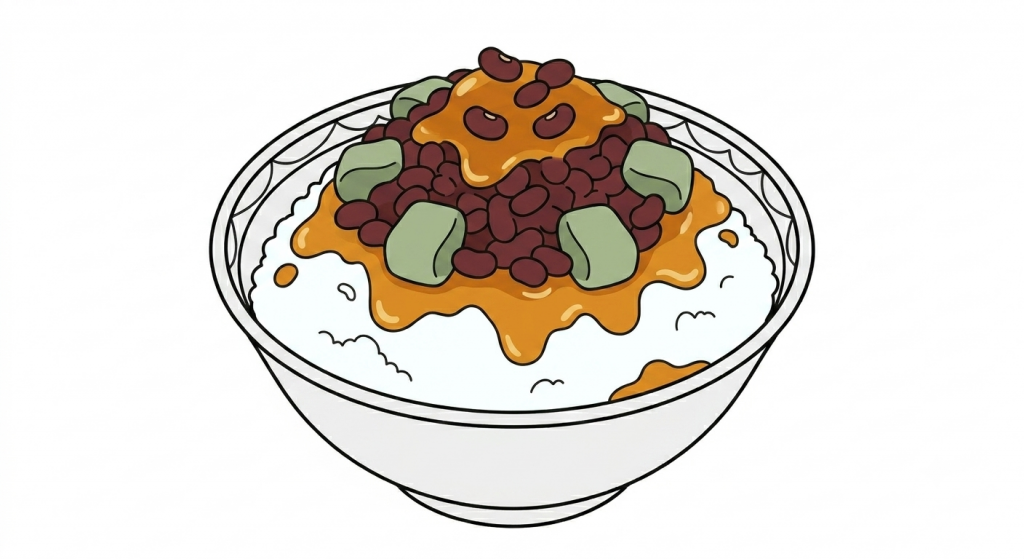
Bingsu is shaved ice topped with sweetened red bean paste, rice cake, fruit, and condensed milk — a preparation with documented history in the Joseon period that has been extensively modernized in contemporary South Korean cafés into elaborate seasonal presentations. Sikhye is a sweet rice drink and sujeonggwa is a persimmon and cinnamon punch — both are traditional beverages consumed as dessert drinks rather than eaten preparations.
South Korea’s contemporary café culture has produced a distinct global aesthetic influence. Korean-style cafés featuring elaborate plated desserts, seasonal tteok interpretations, and photogenic bingsu preparations have spread through Korean diaspora communities and through the global reach of Korean popular culture. This has made Korean dessert aesthetics — the emphasis on visual presentation, seasonal ingredients, and delicate plating — internationally recognized in a way that traditional hangwa preparations were not.
This content was created with the assistance of AI. Sources are currently being reviewed.