Spanish desserts carry centuries of layered history in every bite. Moorish rule left behind almonds, honey, and citrus that still anchor the southern pantry. Catholic convents became unexpected custodians of confectionery — cloistered nuns developing egg yolk pastries, marzipan figures, and syrup-soaked sweets that were sold through wooden turnstiles to fund their communities. That tradition survives to this day in convents across Castile, Extremadura, and Andalusia.
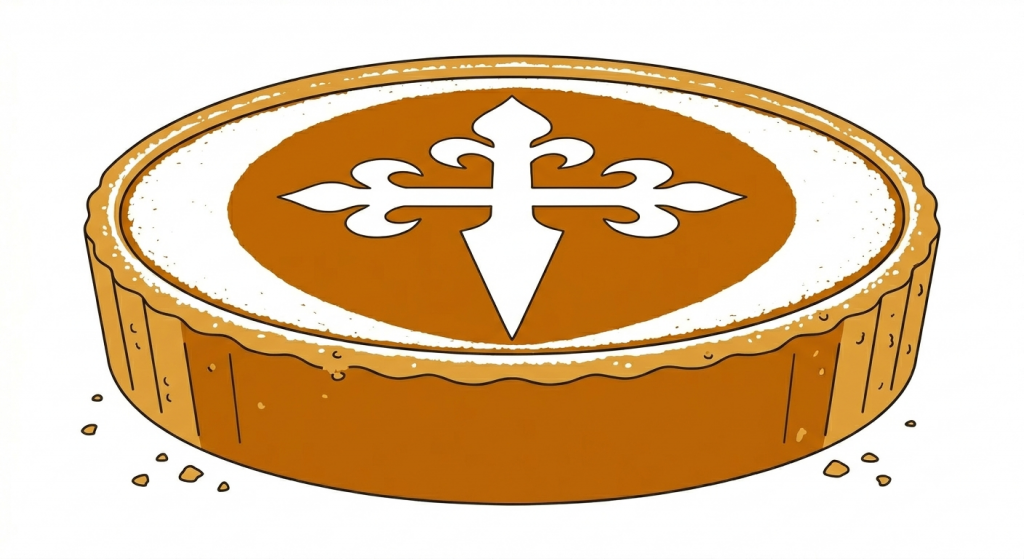
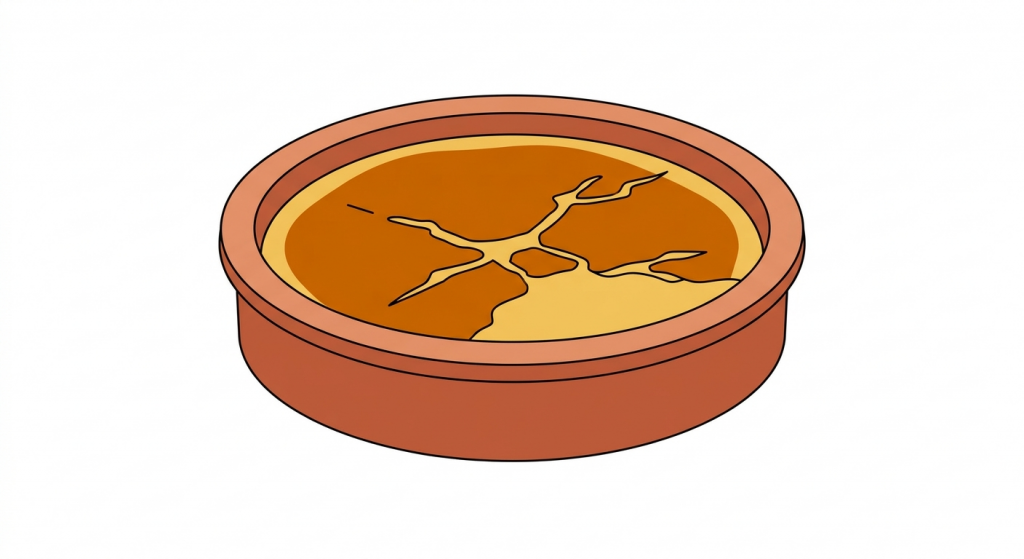
But Spain is not one kitchen. The Basque Country has its own proud pastry identity — the gâteau Basque, the txantxigorri, the pintxo-bar pastry cases stacked with cream-filled croissants. Galicia in the northwest bakes with almonds and lard, producing the Santiago tart that predates tourism by centuries. Catalonia layers cream and caramelized sugar into the crema catalana long before its French cousin became famous. Valencia and the Balearic Islands work with citrus and ensaïmada, a spiral pastry with roots in Jewish Mallorcan baking.
The common threads are hard-won: olive oil over butter in many traditional recipes, egg yolks used with intention, and a respect for regional identity that resists homogenization. Spanish sweets are earthy, precise, and deeply rooted in place.
This content was created with the assistance of AI. Sources are currently being reviewed.