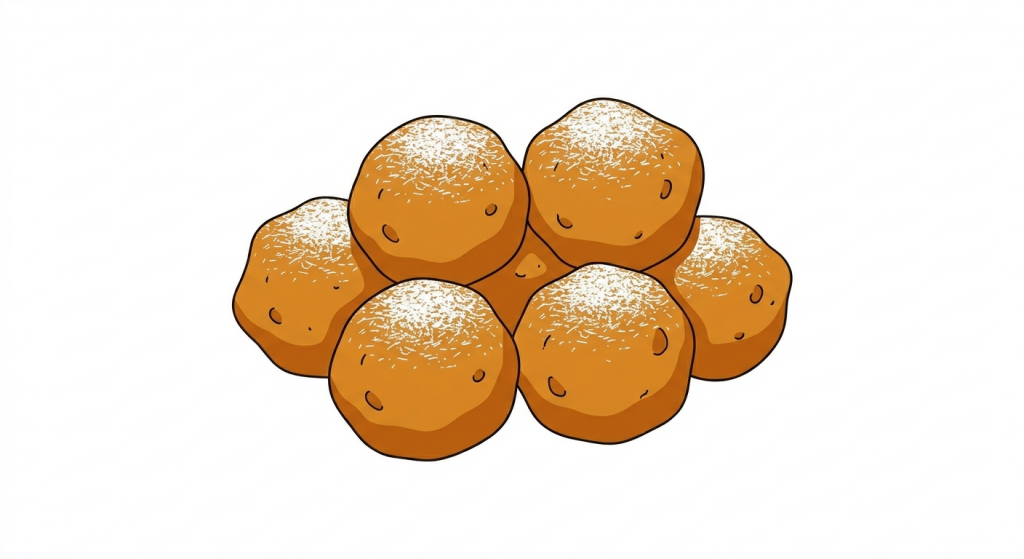
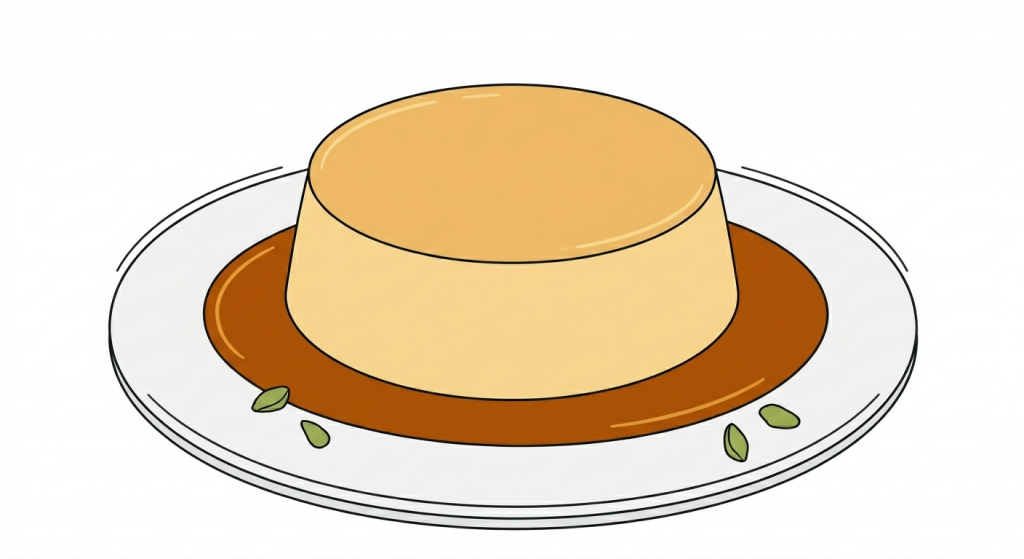
Croatian baking splits cleanly along geographic lines. The Dalmatian coast and its islands carry centuries of Venetian influence — rožata, the Croatian custard pudding with rose liqueur, is a direct descendant of Portuguese and Italian egg custard traditions that traveled through Venetian trade routes. Fritule, small fried dough balls flavored with citrus zest, brandy, and raisins, are a Dalmatian Christmas staple with clear Italian carnival fritter parallels. Almonds, citrus, figs, and olive oil define the coastal pantry.
Continental Croatia and Zagreb operate in an entirely different register. The Habsburg period left a Central European patisserie culture — coffee houses, layer cakes, walnut and poppy seed rolls. Makovnjača, a poppy seed scroll, and orehnjača, its walnut equivalent, are enriched yeasted breads made for celebrations, structurally similar to the Romanian cozonac and the Polish makowiec, reflecting the shared Austro-Hungarian baking infrastructure across the region.
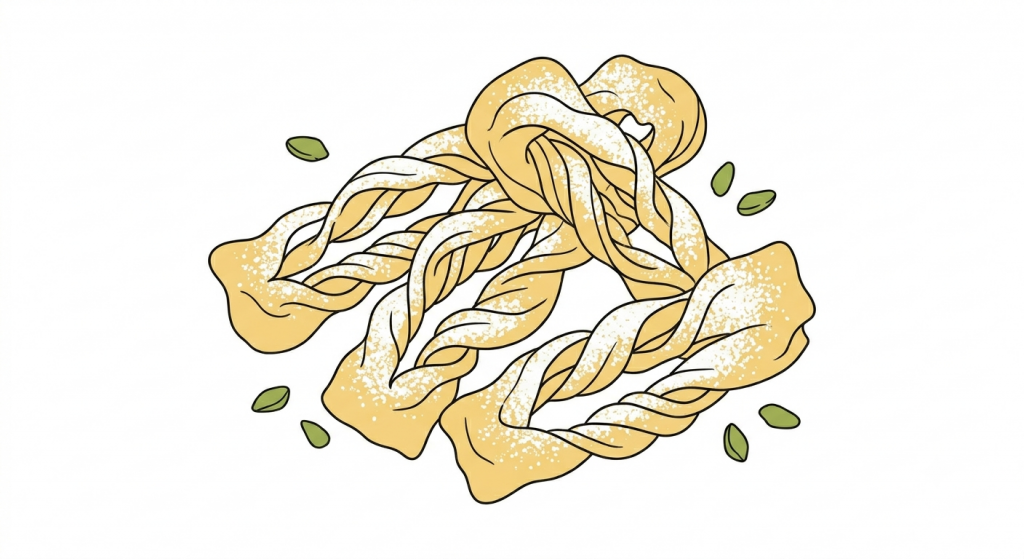
Paprenjaci are spiced honey cookies from the continental interior, documented as far back as the sixteenth century, made with pepper, walnuts, and honey — one of the oldest specifically Croatian confectionery traditions on record. Krostule, twisted fried pastry ribbons, appear across the coast and islands under various names and are made for Carnival season.
Croatian sweetness is divided by geography and unified by occasion — most of the significant pastries are tied to Christmas, Carnival, or Easter rather than everyday consumption.
This content was created with the assistance of AI. Sources are currently being reviewed.