Indian desserts form one of the most regionally diverse sweet traditions in the world, shaped by geography, religion, agricultural ingredients, and festival calendars that vary significantly across the subcontinent’s 28 states. No single Indian dessert tradition exists — North Indian, Bengali, South Indian, Gujarati, Maharashtrian, and Goan preparations differ substantially in technique, ingredient base, and the occasions they mark.
Religious dietary practice shapes Indian sweets significantly. Hindu vegetarianism means most traditional Indian sweets contain no meat or eggs, making dairy — milk, ghee, khoya, chenna, and yogurt — the primary vehicle for richness and fat. Jain dietary restrictions, which exclude root vegetables, produce a further distinct category of sweet preparation. Muslim communities across India, particularly in Hyderabad, Lucknow, and Gujarat, have contributed sheer khurma, halwa, and other sweets with Central Asian and Persian influences brought through the Mughal period.
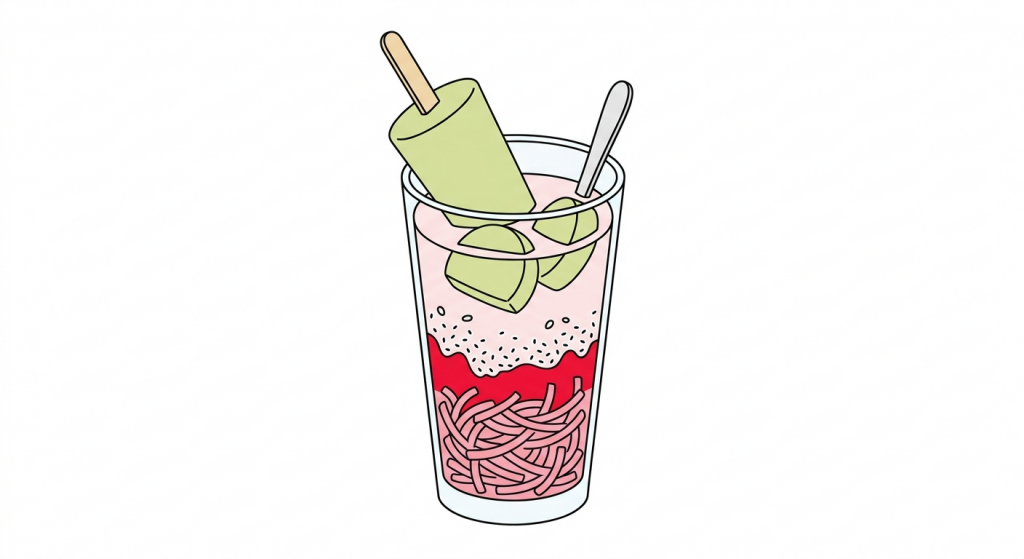
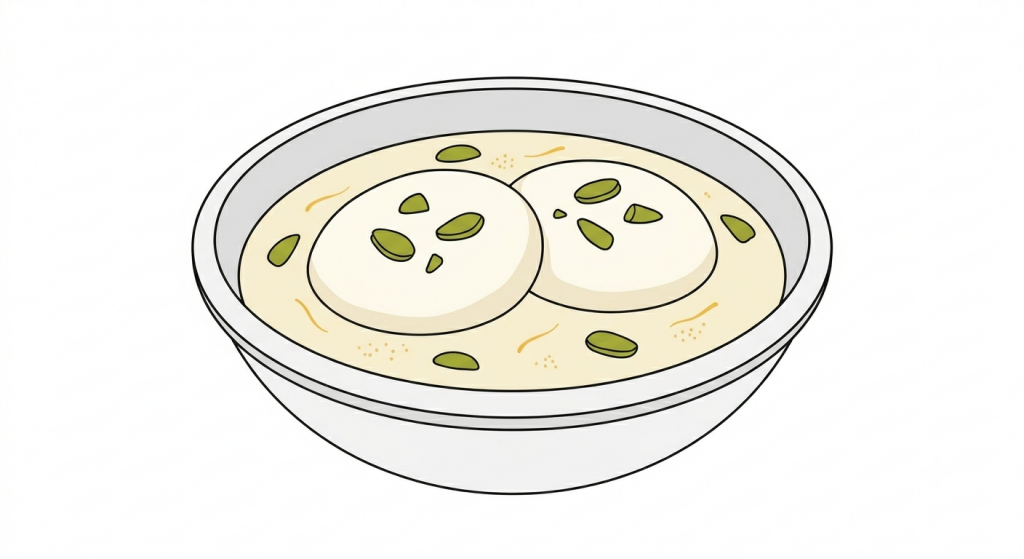
North India produces milk-based sweets reduced to khoya, ghee-fried doughs soaked in saffron syrup, and nut-studded confections. Rasmalai — soft chenna patties in sweetened condensed milk — and phirni — a ground rice pudding with cardamom and rose water — are associated with celebration and gifting. Bengal and the eastern states developed a distinct chenna-based tradition: rasgulla, sandesh, and mishti doi reflect a light, subtly sweet approach that differs substantially from the richer North Indian style. Date palm jaggery, harvested in winter, is a specifically Bengali sweetener used in seasonal preparations.
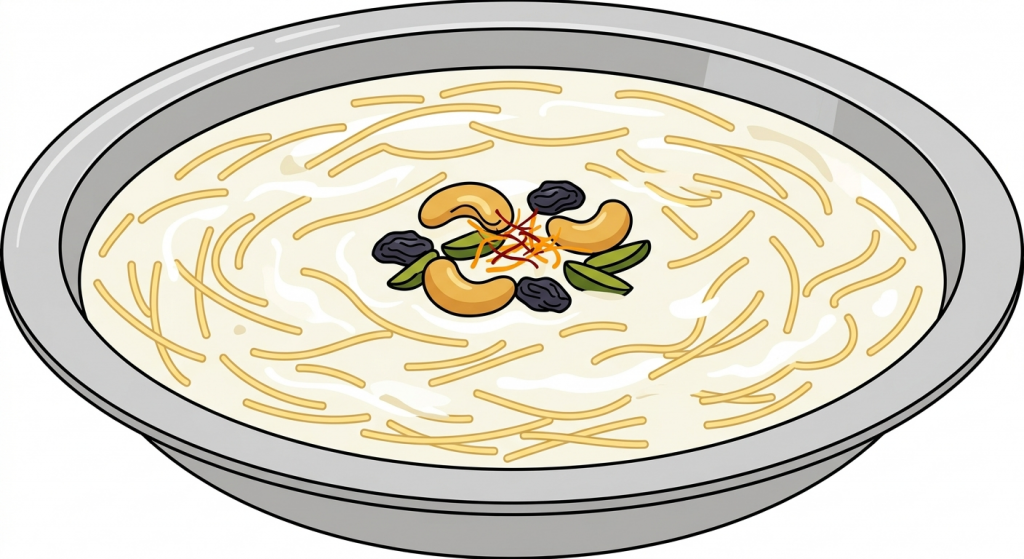
South India uses rice, lentils, coconut, jaggery, and banana as primary dessert ingredients. Payasam — a liquid pudding made in rice, vermicelli, or lentil versions — is offered at temples and served at celebrations across Kerala, Tamil Nadu, and Karnataka. Sweet pongal, made with rice, jaggery, and ghee, is prepared specifically for the Pongal harvest festival. Goa’s dessert tradition reflects Portuguese colonial rule through bebinca — a layered coconut and egg yolk pudding — and dodol, a coconut and jaggery toffee.
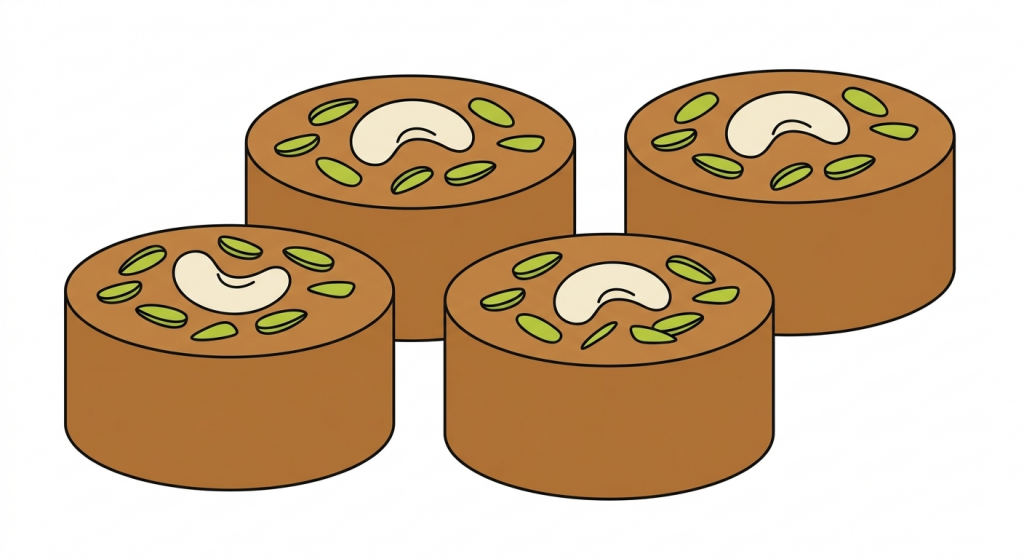
Halwa, laddoo, jalebi, and mithai are pan-Indian categories rather than single preparations — each exists in dozens of regional variations, and a mithai shop in Kolkata will stock fundamentally different products from one in Chennai or Ahmedabad.
This content was created with the assistance of AI. Sources are currently being reviewed.